Parents and carers are being told to stop using particular baby sleeping bags after a new UK product safety alert was issued on 1 October 2026.
The warning does not apply to every baby sleeping bag. It covers products intended for a baby to sleep in unsupervised in a cot or crib that either have no armholes or include a hood.
The Office for Product Safety and Standards (OPSS) says these designs can create a risk of suffocation and overheating. If you already own one, the first thing to do is check those two features.
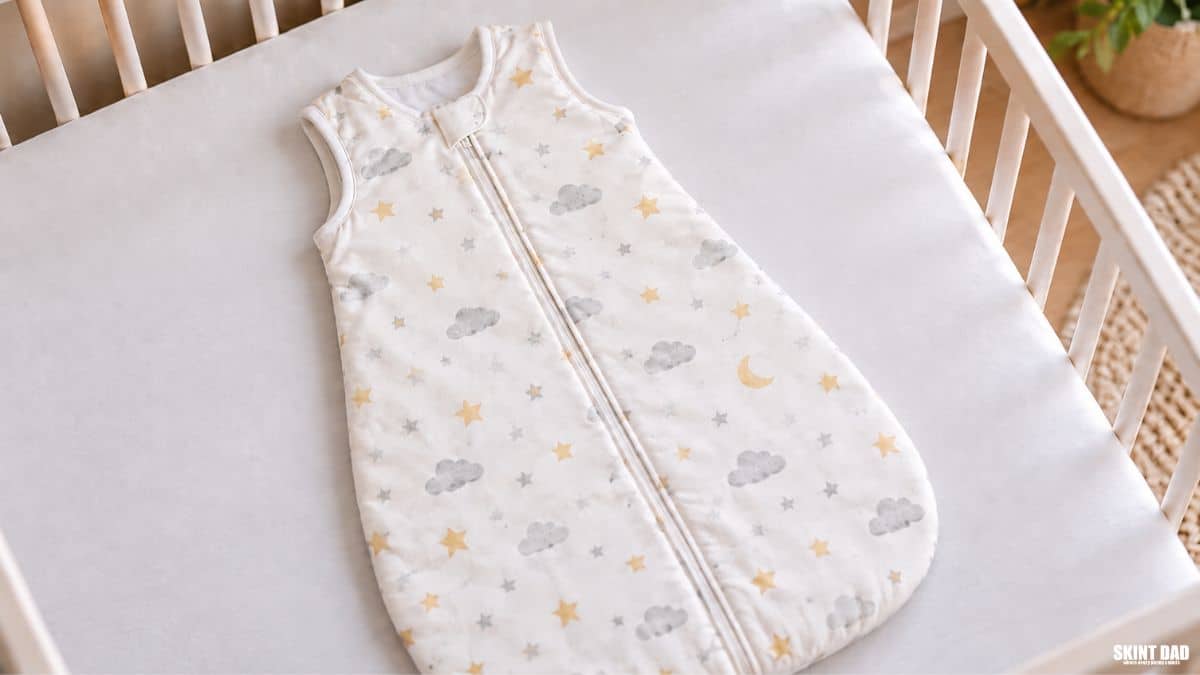
Which baby sleeping bags are affected?
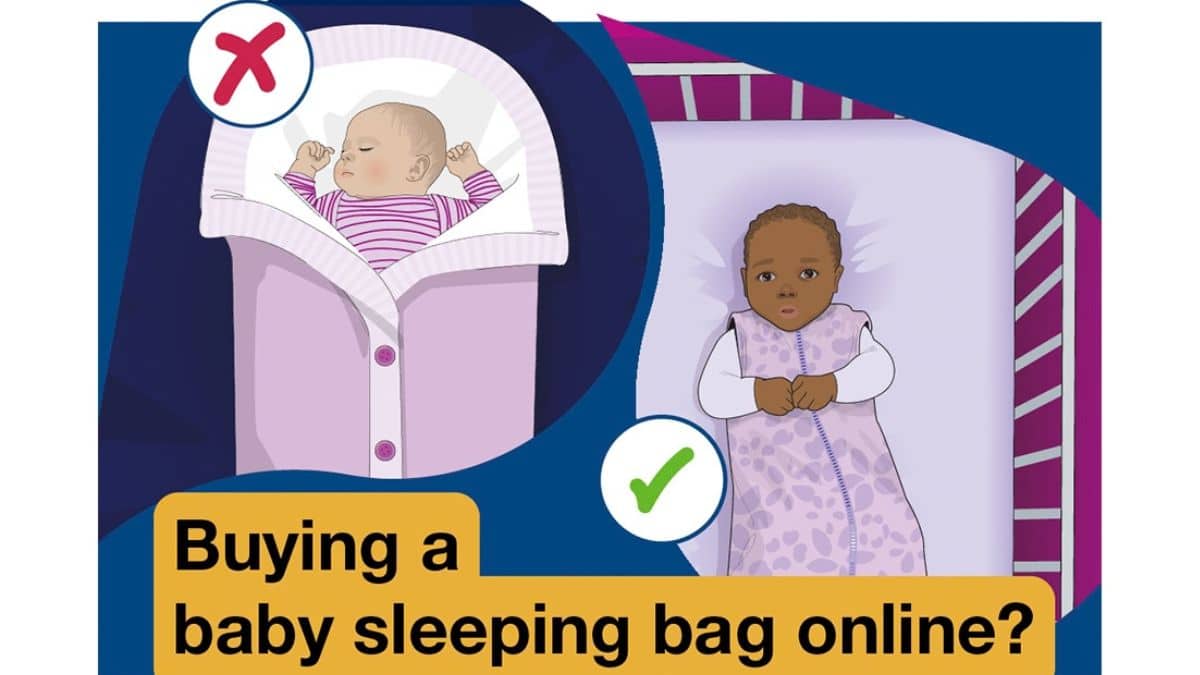
The new OPSS alert applies to baby sleeping bags marketed or intended for unsupervised sleep in a cot or crib that have no armholes, a hood, or both.
It does not cover items designed to be worn in a pram, such as pramsuits or muffs. OPSS also says the alert does not apply to products designed specifically to swaddle a baby.
That does not mean every product outside this alert is automatically safe. Parents should still follow the instructions, check the fit and make sure the product has not been recalled.
Why can these designs be dangerous?
OPSS says that without armholes, a baby may slip down inside the bag. The material could then cover their nose and mouth, which can cause suffocation or asphyxiation.
A hood can also move while a baby is sleeping and cover their nose and mouth. Material around the head can trap heat too, increasing the risk of overheating.
OPSS says overheating is linked with a higher risk of sudden infant death syndrome (SIDS).
Should I stop using my baby sleeping bag?
If it has no armholes or has a hood and it is intended for unsupervised baby sleep, OPSS says not to use it.
The regulator’s 1 October 2026 advice is: “Do not buy or use a baby sleeping bag that lacks armholes or which includes a hood.”
If your sleeping bag has armholes and no hood, it is not the type targeted by this particular alert. You should still check that it fits properly and follow the manufacturer’s instructions and safer sleep guidance.
The NHS safer sleep guidance says a baby sleeping bag should fit well around the shoulders so the baby’s head cannot slip down inside it.
Is this a recall?
No. The announcement on 1 October 2026 is a general Product Safety Alert, rather than a recall of one named baby sleeping bag.
OPSS has not named a particular retailer, marketplace, brand or product in this new alert. The warning is based on the design, so parents should check the sleeping bag itself rather than relying on the brand name.
There have been separate recalls and product safety reports for individual baby sleeping bags before this alert.
OPSS says it has published nearly 50 recalls or product safety reports for dangerous baby sleeping bag products in the UK since 2023.
That figure is not a count of injuries. It refers to recalls and product safety reports published about dangerous sleeping bag products.
What should I do if I already own one?
If your baby sleeping bag has no armholes or has a hood and was sold for unsupervised baby sleep, stop using it and contact the business that supplied it.
OPSS says you “may be entitled to redress” under the Digital Markets, Competition and Consumers Act 2024.
The alert does not promise that every owner will automatically receive a refund. Contact the seller, explain that the product matches the design covered by the new OPSS alert and ask what remedy they are offering.
Keep your order confirmation, receipt, listing screenshot or other proof of purchase if you still have it.
What should I look for in a replacement?
The simplest checks are armholes, no hood and a good fit.
OPSS’s baby sleep product guidance says parents should check the sizing guide, read the warnings on the label and make sure the baby cannot slip down inside the sleeping bag.
The regulator also recommends that retailers and importers consider supplying sleeping bags that meet the voluntary safety standard BS EN 16781:2018.
The new alert says it does not apply to baby sleeping bags that meet that standard.
The NHS says to use the right tog rating for the room temperature and not to add other bedding when using a sleeping bag.
Check the product details and who is selling it before you buy, rather than choosing on price alone.
What changed on 1 October 2026?
The basic design warning is not completely new.
OPSS published baby sleep product guidance in March 2025 telling parents to choose sleeping bags with armholes and no hood, check the fit and read the label.
What changed on 1 October 2026 is that OPSS issued a formal Product Safety Alert covering this type of sleeping bag and explicitly told consumers not to buy or use affected designs.
Are all baby sleeping bags unsafe?
No. This warning is about particular designs.
The NHS says baby sleeping bags can help stop babies wriggling underneath their bedding. It advises parents to make sure the bag fits around the shoulders, use the right tog for the room temperature and keep other bedding out of the sleep space.
If you are unsure about a sleeping bag you already own, check the product label and listing, search the GOV.UK product safety alerts and contact the seller or manufacturer.
If money is tight with a young baby, our Healthy Start guide explains who can get help towards milk, infant formula, fruit and vegetables.
Healthy Start cannot be used to buy a replacement sleeping bag, but it may help with other baby costs.
Add Skint Dad as one of your preferred sources.

Saved a few quid with our tips?
If Skint Dad has helped you spend less or feel more in control of your money,
you can support the site with a small contribution.
