Most people who struggle with money are not reckless or careless.
They work hard, pay their bills, and still feel like there is never anything left at the end of the month. That is usually because of small money traps that slowly drain cash without being obvious.
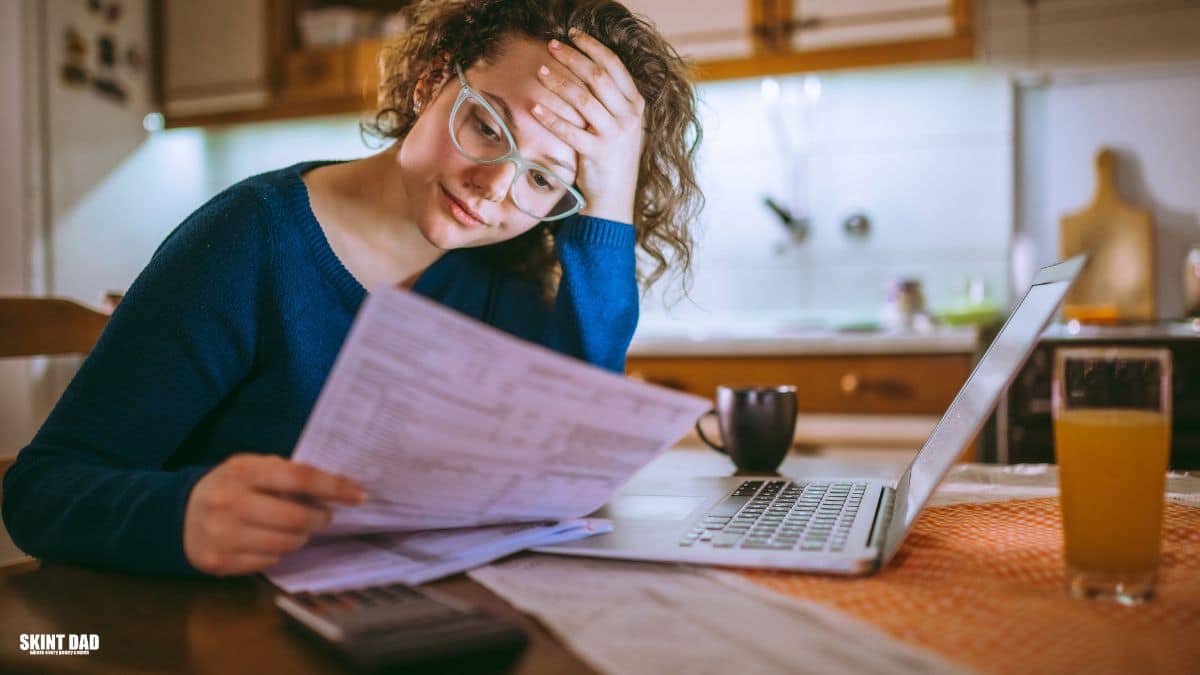
These are not big, dramatic mistakes. They are everyday habits that feel normal, but over time they can keep you stuck.
Get a free £10 bonus with Swagbucks
Earn a bit of extra money in your spare time with surveys, videos, and simple tasks you can do at home.
New users can get a £10 bonus when they sign up.
Get the £10 bonus
Here are the most common ones and what to do instead.
Only paying the minimum on credit cards
Paying the minimum might feel like you are doing the right thing, but it is one of the biggest money traps around.
Most of your payment goes on interest, not the balance. That means the debt hangs around for years and costs far more than you expect.
If you can, pay more than the minimum, even a small extra amount. If the balance is cleared in full each month, no interest is added at all.

Skint Dad says:
Credit cards are not the problem; expensive interest is. The faster you clear it, the cheaper life becomes.
Expensive mobile phone contracts
A shiny new phone can easily cost £40, £50 or more each month.
That is hundreds of pounds a year for something that usually works just fine for several years.
Once your contract ends, switching to a SIM-only deal can slash the cost. Keeping your phone for an extra year or two is one of the quickest wins for most households.
Subscriptions you barely use
Streaming services, apps, fitness plans and delivery perks often sneak out of your account every month.
One or two might not feel like much, but together they can quietly eat a big chunk of your money.
Check your bank statement and cancel anything you are not using properly. If you miss it, you can always rejoin later.
Eating out and takeaways becoming the norm
Treats are meant to be treats, but when takeaways and meals out become routine, budgets suffer fast.
A £25 takeaway once a week is over £1,300 a year.
For many families, it helps to look at what your weekly food shop really costs in terms of hours worked, not just pounds spent.
Cooking at home most of the time does not mean never enjoying food out. It just means being more deliberate about when you spend.
High-interest loans and overdrafts
Payday loans, doorstep loans and constant overdraft use can feel like a lifeline, but they are usually a long-term trap.
High interest means you pay back far more than you borrowed, often while still struggling.
If money is tight, support from charities, budgeting help, or speaking to lenders early is usually cheaper and safer than rolling expensive debt.
Always buying new
Cars, tech, furniture and kids’ items lose value quickly.
Buying second-hand or refurbished can save huge amounts without sacrificing quality. Many items are barely used and still in great condition.
This is especially true for children’s things, which are often outgrown long before they wear out.
Paying late fees and penalties
Late fees are one of the most frustrating ways to lose money because you get nothing for them.
Missed payments can also damage your credit record, making borrowing more expensive in future.
Setting up direct debits for at least the minimum payment helps avoid this trap, even when life gets busy.
Impulse spending
Impulse buys are usually small, but they add up fast.
When payments feel invisible, contactless spending adds up quickly without you noticing until the money has gone.
Buying something because it is on offer or because you had a bad day can quietly blow a budget.
Waiting 24 hours before buying non-essentials gives your brain time to cool down. Most of the time, the urge passes.
Not shopping around for insurance
Letting insurance renew automatically often means paying more than you need to.
Prices can jump even when nothing has changed.
Shopping around once a year can save a decent amount, and it only takes a short time.
Living like your future self will sort it out
Spending today and hoping things will improve later is easy to fall into.
But when pay rises or better months do not arrive, the pressure builds.
Living within your means does not mean no fun. It means choosing what matters most and cutting back where it hurts least.
A simple place to start if this feels familiar
If this article feels uncomfortably familiar, do not try to fix everything at once.
If things already feel heavy, there is help if money feels overwhelming, and reaching out does not mean you have failed.
Today, just pick one small thing.
One subscription to cancel.
One bill to check.
One payment to increase by a few pounds.
That single change is enough to break the feeling of being stuck, and momentum usually follows.
Avoiding money traps is not about being strict or joyless. It is about keeping more of what you earn so life feels a bit lighter.
Small changes really do add up.
Saved a few quid with our tips?
If Skint Dad has helped you spend less or feel more in control of your money, you can support the site with a small contribution.

- Side hustles and benefits in the UK: what you need to know - 8 January 2026
- Lloyds Bank switch deal: grab £250 plus Disney Plus for free - 6 January 2026
- Thinking of doing the Co-op freezer deal? Read this first - 6 January 2026
