A healthy eye care routine isn’t complicated, but it does involve more than just putting on glasses or contacts each morning.
It’s a mix of daily habits, sensible choices around your lenses and eyewear, and knowing when to see a professional instead of waiting until something feels wrong.
Most people do some of this instinctively, but rarely think about it as a complete routine.
Get a sign-up bonus with Swagbucks
Earn a bit of extra money in your spare time with surveys, offers and other simple tasks you can do at home.
New users can currently get a bonus when they sign up.
Claim sign-up bonus
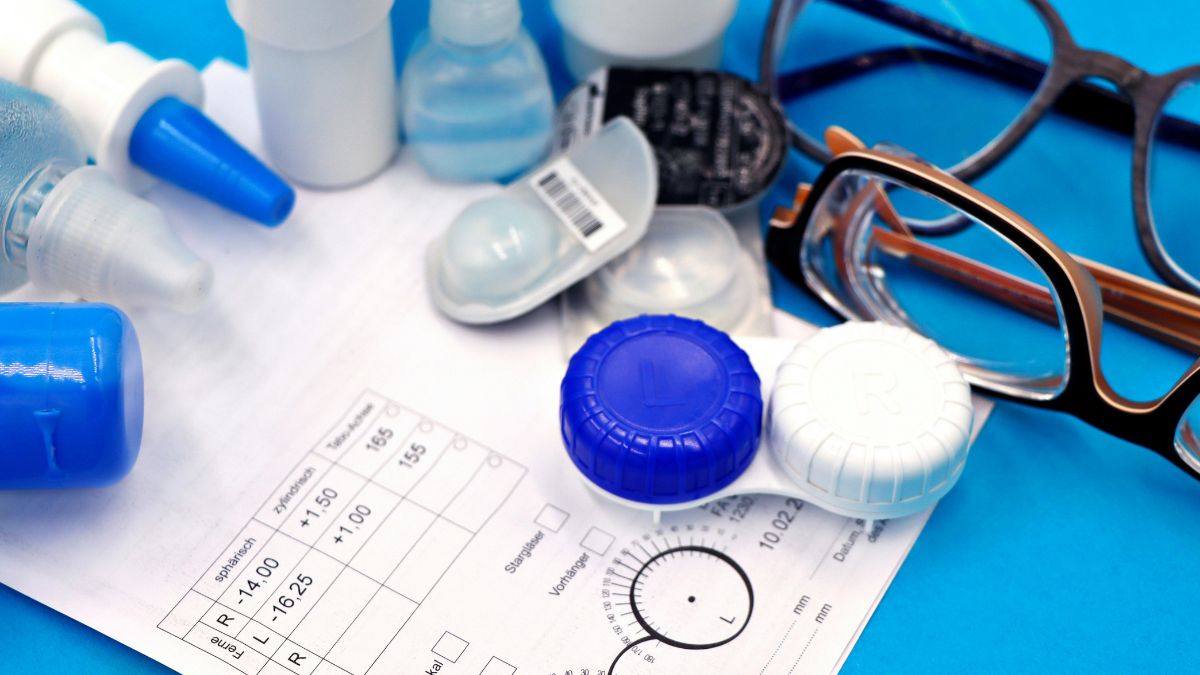
This guide breaks down what a genuinely healthy eye care routine looks like, from daily habits through to the choices that affect long-term eye health.
Daily habits that actually matter
A few consistent daily habits do more for your eye health than any single product or treatment.
- Wash your hands before touching your eyes, particularly before inserting or removing contact lenses
- Take regular breaks from screens, since reduced blinking during focused screen work is one of the biggest contributors to dryness and strain
- Stay hydrated, since dehydration affects tear production more than people expect
- Remove eye makeup fully before bed, since leftover product can irritate the eyelid margin overnight
None of these requires much effort individually, but skipping them consistently is where most avoidable irritation comes from.
Choosing the right contact lenses for your budget and needs
Cost is a real factor in whether people stick to a healthy lens routine, and it’s worth being upfront about that rather than pretending price doesn’t matter.
Skipping replacements or stretching a lens’s wear time to save money is a common, understandable habit, but it’s also one of the more avoidable causes of eye irritation.
This is where choosing the cheapest contact lenses that still meet your prescription and material needs makes a genuine difference.
Affordable contacts don’t have to mean lower quality; many retailers offer inexpensive contact lenses that use the same materials and replacement schedules as premium ranges, just without the brand markup.
Finding cheap contact lenses online through a retailer that stocks your specific prescription is usually more sustainable long-term than rationing a more expensive pair.
If cost has previously led you to skip replacements or extend wear time beyond what’s recommended, it’s worth revisiting your options rather than treating discomfort as something to just manage.
Weekly habits worth building in
Beyond daily basics, a few weekly habits help maintain both comfort and lens hygiene if you wear contacts.
- Deep clean your lens case if you wear reusable lenses, rather than just topping up solution
- Check your lens supply, so you’re not caught short and tempted to overwear a pair
- Give your eyes a screen-free evening occasionally, particularly if you’ve had a heavy screen week
These aren’t strict rules, but building them into a weekly rhythm makes them far more likely to actually happen.
Why regular eye tests are part of the routine, not separate from it
An eye test isn’t just for updating your prescription.
It’s one of the few routine opportunities for a professional to catch early signs of conditions that don’t show obvious symptoms until they’ve progressed.
According to the NHS, adults are generally advised to have an eye test at least every two years, though this can be more frequent depending on age, existing conditions, or family history.
If you wear contact lenses, this is also when your optician checks whether your current lens type and replacement schedule still suit your eyes, since needs can shift gradually.
Understanding eye redness and when it’s a concern
Occasional redness is common and usually harmless, often linked to tiredness, screen time, or minor irritation. But persistent or unexplained redness is worth paying attention to, not dismissing automatically.
There are also several common myths about red eyes worth being aware of, since not every case of redness points to the same underlying cause.
According to the American Academy of Ophthalmology, red eyes can result from a wide range of causes, from simple dryness and allergies to more serious conditions like conjunctivitis or uveitis, and redness that doesn’t resolve within a day or two, or that comes with pain or vision changes, warrants a proper check rather than home remedies alone.
This is a good example of why a healthy eye care routine includes paying attention to your eyes, not just maintaining them on autopilot.
Protecting your eyes from UV and environmental damage
Long-term UV exposure contributes to several eye conditions, which makes sun protection part of a complete eye care routine, not an optional extra.
A few habits worth building in:
- Wear sunglasses with genuine UV protection, not just tinted lenses
- Protect your eyes on overcast days too, since UV penetrates cloud cover
- Consider a wide-brimmed hat during high-UV periods for additional coverage
This is a slow-building habit rather than one with immediate visible results, which is exactly why it’s easy to neglect.
Building a routine that actually sticks
The difference between a healthy eye care routine and good intentions usually comes down to consistency, not complexity. Trying to adopt every habit at once rarely works.
It tends to be more effective to start with one or two changes, daily screen breaks and proper lens hygiene, for example, before adding others like UV protection or a more considered approach to lens replacement.
Frequently Asked Questions
How often should I really be getting an eye test?
Most adults are advised to have an eye test every two years, though your optician may recommend more frequent checks depending on your age and eye health history.
Are cheap contact lenses lower quality than premium brands?
Not necessarily. Cheapest contact lenses from a reputable retailer often use the same material and replacement schedule as pricier options; the difference usually comes down to brand, not quality.
Is it normal for my eyes to feel dry by the end of the day?
Occasional dryness is common, particularly with screen use, but persistent dryness is worth mentioning to your optician, since it may indicate your current lens type isn’t the best fit.
When should redness be checked by a professional?
If redness persists beyond a day or two, or comes with pain, discharge, or vision changes, book an appointment rather than waiting to see if it resolves on its own.
Can a good eye care routine really prevent age-related conditions?
It can’t prevent everything, but consistent habits like UV protection, not smoking, and regular eye tests genuinely reduce risk factors for several age-related eye conditions.
A healthy eye care routine isn’t about doing everything perfectly.
It’s about building a handful of consistent habits- daily screen breaks, sensible lens choices, regular check-ups, and paying attention when something feels different- into your everyday life.
None of these requires significant time or money, but skipping them consistently is where most avoidable eye problems start.

- Aldi boss says some loyalty prices ‘dupe’ shoppers – what the CMA found - 28 September 2026
- What does a healthy eye-care routine look like? - 28 September 2026
- Your First Home scheme: first-time buyers could need just a 2.5% deposit - 28 September 2026
Saved a few quid with our tips?
If Skint Dad has helped you spend less or feel more in control of your money,
you can support the site with a small contribution.
