Christmas is meant to feel warm and comforting, but a new report shows that many people across the UK are entering December already worried about money.
High prices, early paydays and pressure to buy gifts are making this time of year feel tougher than ever.
If you want to see what else is hitting your wallet this month, these December money changes could affect you, too.
Get a free £10 bonus with Swagbucks
Earn a bit of extra money in your spare time with surveys, videos, and simple tasks you can do at home.
New users can get a £10 bonus when they sign up.
Get the £10 bonus
This doesn’t mean giving up the fun of Christmas. It means understanding what’s going on and using a few simple steps to make the next couple of months easier to handle.
Here are some of the stand-out figures from the new research:
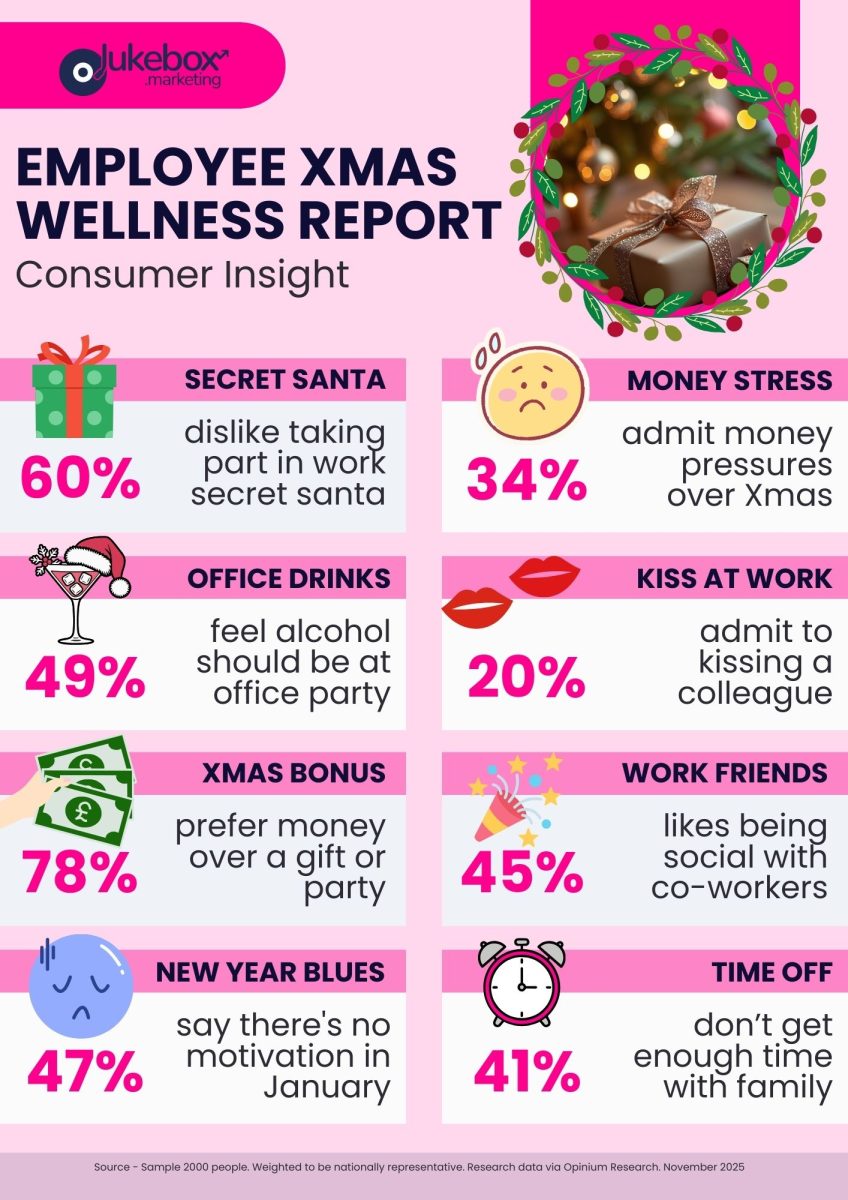
Why so many workers feel stretched right now
The research from Jukebox Marketing shows that more than a third of people struggle to manage their money in December.
In some cities, the numbers are even higher. London reports 43% of workers feeling the pressure, while Birmingham and Nottingham sit at 40%.
There are three big reasons behind this:
Prices have risen faster than wages.
Food, energy and travel still cost more than they used to. Even careful budgets feel squeezed.
Many workers are paid early in December.
It sounds helpful, but it creates a long stretch until the next payday in January. For some households, that gap is almost six weeks.
Christmas brings extra pressure.
Buying presents, sorting food, and fitting in festive events can add costs quickly. If you are trying to keep Christmas costs down, easy ways to make extra money before Christmas can help you top up your income a bit.

Skint Dad says:
No one should feel they have to start the new year already behind. If December is pushing you into panic, it’s the system that’s failing, not you.
What this means for you and your Christmas budget
This report reflects what a lot of people are already feeling but haven’t said out loud.
Here’s what it means in everyday life:
If your employer pays early:
Your money needs to last longer. Bills due in early January still arrive on time, even if your pay arrived early. A small plan now can stop a big worry later.
If you’re feeling pressure to buy presents:
You’re not alone. Gift expectations are one of the biggest stress points. Many families would rather avoid debt than swap expensive presents.
If you are short on cash, there are places to get free or cheap toys and gifts for kids this Christmas that can take some of the pressure off.
If you rely on overtime or seasonal hours:
Some businesses are cutting back, especially with rising costs. This can hit December earnings hard.
If you’re hoping for support from work:
The report found 78% of workers would prefer a cash bonus over a Christmas party or gift.
In Wales, it was even higher at 85%. If your workplace offers anything financial, grab it.
Practical ways to stay in control this December
This is the part that turns a stressful month into a manageable one. Here are simple, calm steps that can help.
1. Create a tiny December plan
Split your money into three groups:
Essentials: rent, food, travel, bills
Christmas costs: gifts, food, activities
A small buffer: anything unexpected that pops up
Writing it down stops everything blending into one big worry.
2. If you’re paid early, map the gap
Count the days between your December payday and your January payday.
Then list the bills due before the next pay arrives. Cover these first so you’re not caught out.
Many people fall into debt here simply because they did not realise how long the gap was.
If you are tempted to use buy now, pay later to plug the hole, read about the real cost of buy now, pay later this Christmas before you click.
3. Cut the pressure on gifts
Most families will breathe a sigh of relief if someone suggests a spending limit.
Try saying something like:
“Could we keep presents under £10 this year so none of us are stressed?”
Simple and honest works best.
4. Bring Christmas food costs down
Swap branded items for supermarket own labels, stick to a list, and look for reductions closer to the day. Many supermarkets release festive loyalty offers during December, which can bring costs down even further.
If high gas or electric bills are already hanging over you, check whether you are owed anything. Some people are due refunds or credits on their account without realising.
It is worth reading about the refund your energy company will not tell you about, and if you are struggling, charities and schemes offering winter cost-of-living help too.
5. Use your workplace benefits properly
Some employers offer:
- discount platforms
- early pay apps
- hardship funds
- travel support
- staff-only discounts
- paid time off around Christmas
Even small perks can make a big difference now.
6. Plan for January now
January always feels long, but one small decision now can remove a lot of stress later. Even setting aside £10 or £20 can help with travel, food costs or surprise bills.
Final thought
This new report doesn’t tell us anything families don’t already feel. Christmas is getting more expensive, and many workers are struggling to keep up.
But clear information and small practical steps can turn a stressful season into one that feels calmer, cheaper and easier to manage.
Saved a few quid with our tips?
If Skint Dad has helped you spend less or feel more in control of your money, you can support the site with a small contribution.

- Side hustles and benefits in the UK: what you need to know - 8 January 2026
- Lloyds Bank switch deal: grab £250 plus Disney Plus for free - 6 January 2026
- Thinking of doing the Co-op freezer deal? Read this first - 6 January 2026
