Dubai-style chocolate has become very popular in the UK, especially as a gift. But the Food Standards Agency, known as the FSA, has issued a precautionary warning for people with allergies.
If you or someone in your family lives with food allergies, this is worth paying attention to, particularly in the run-up to Christmas and other gift-giving times.
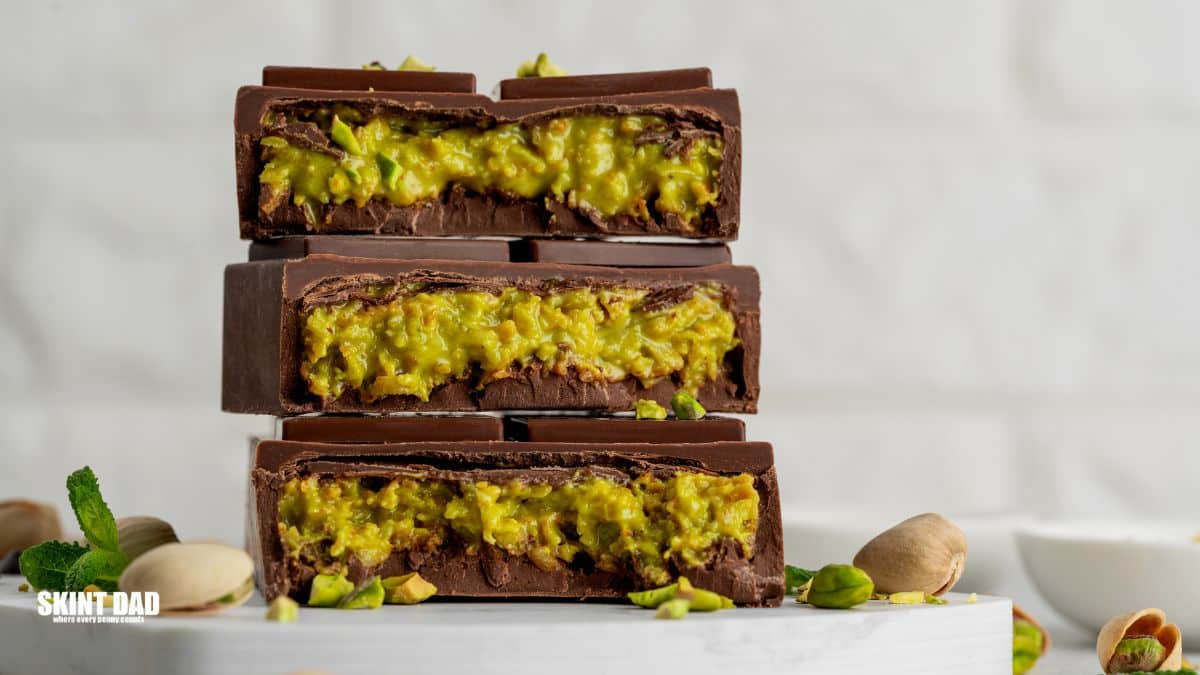
Here is what the warning means, who it affects, and what to do next.
Get a free £10 bonus with Swagbucks
Earn a bit of extra money in your spare time with surveys, videos, and simple tasks you can do at home.
New users can get a £10 bonus when they sign up.
Get the £10 bonus
What the FSA warning says
The FSA says that some Dubai-style chocolate products sold in the UK may not be safe for people with allergies.
Tests and checks have found that some of these products may contain allergens such as peanut and sesame, even though these allergens are not listed on the label. That is a serious problem for anyone with allergies, as they rely on labels to stay safe.
Until the FSA finishes its checks and has full results, it is advising people with allergies to avoid Dubai-style chocolate completely, as a precaution.
This advice applies to all allergies, not just peanut or sesame.

Skint Dad says:
If a label cannot be trusted, it is safer to walk away. No chocolate is worth the risk when allergies are involved.
Who needs to be extra careful
This warning is mainly for:
- People with food allergies of any kind
- Parents and carers of children with allergies
- Anyone buying gifts for someone who has allergies
Even small amounts of an undeclared allergen can cause a serious reaction for some people. In the worst cases, it can be life-threatening.
If you are buying chocolate as a present and are not sure whether the person has allergies, it is safer to choose something else or buy from a well-known UK brand with clear labelling.
What about people without allergies
The FSA says that people without allergies can still eat these products, particularly if they are sold by reputable brands and retailers.
However, this does not mean all Dubai-style chocolate is fine. The problem is that some products do not meet UK labelling rules, so it can be hard to know which ones are safe and which ones are not.
That uncertainty is why the FSA has taken a precautionary approach for people with allergies.
Why this is happening
Dubai-style chocolate is often imported or made by smaller producers. In some cases, the labels may not meet UK standards.
In the UK, the law is clear.
Any food that contains allergens must list them clearly on the ingredients label. If that does not happen, the product is illegal to sell and potentially dangerous.
Trading Standards and the FSA are working with businesses, importers, and retailers to fix these problems. They are also checking products on sale to see whether they meet food safety and labelling rules.
What to check if you still choose to buy it
The FSA says that if people do choose to buy Dubai-style chocolate, they should only do so from reputable retailers and check the label carefully.
A proper UK-compliant food label should include:
- The name of the food, such as milk chocolate with pistachio filling
- A full ingredients list, with allergens clearly highlighted
- The weight of the product in grams
- A best before or use by date
- The name and address of the UK or EU business responsible for the product
If the product is imported from outside the UK or EU, the importer’s name and address should also be on the label.
If the label is not in English, missing information, or looks unclear, that is a red flag.
What this means for families on a budget
Dubai-style chocolate can be expensive, especially when it is sold as a luxury gift. If you are trying to keep costs down, this warning is a useful reminder that cheaper or simpler options are often safer and clearer.
Well-known supermarket brands must follow strict UK rules. Their labels are checked and their supply chains are more tightly controlled.
You do not need to spend a lot to give a thoughtful gift. A standard box of chocolates with clear labelling can be a better choice than something trendy but uncertain.
What happens next
The FSA is still reviewing test results from products on sale. More advice may follow once that work is finished.
They are also sharing information with allergy charities and asking people to sign up to food alerts so they can stay up to date.
For now, the key message is simple. If you or someone you are buying for has allergies, avoid Dubai-style chocolate until clearer guidance is given.
If you are unsure whether a business is affected by this warning, Trading Standards advises retailers and importers to contact their local service for help and guidance.
Staying safe around food allergies is about clear information and trust. Until labels can be relied on, caution is the sensible choice.

- I was sent a fake HMRC tax notice. Here’s how to spot the scam - 8 January 2026
- A once-a-year money check most families forget (with rough savings) - 6 January 2026
- The January bills reality check: the traffic light method that works - 1 January 2026
