Vinted can be a simple way to make extra money from clothes and other things you no longer need. Some sellers take it further and buy second-hand items specifically to sell again for a profit.
That’s Vinted reselling.
You don’t need hundreds of pounds to try it, but there’s more to reselling than finding something cheap and listing it for more. You need to know what people want, what you can realistically sell an item for and the rules around professional selling.
Get a free £10 bonus with Swagbucks
Earn a bit of extra money in your spare time with surveys, videos, and simple tasks you can do at home.
New users can get a £10 bonus when they sign up.
Get the £10 bonus
Here’s how Vinted reselling works in the UK and how you can test it without spending a fortune.
If you want to learn more about the wider idea first, our guide to buying and selling things for profit explains how reselling works across different products and marketplaces.
What is Vinted reselling?
Vinted reselling means getting an item for one price and selling it on Vinted for more.
You may also hear this described as Vinted arbitrage: finding something below its likely resale value and selling it for more.
For example, you might find a jacket for £5 in a charity shop and later sell it for £20.
That’s different from simply selling clothes from your wardrobe that you no longer want.
A casual seller is usually clearing out their own belongings. A reseller deliberately finds items they believe they can sell for a profit.
That difference matters because Vinted has specific rules around commercial selling.
Can you resell on Vinted?
Yes, professional selling is possible on Vinted in the UK, but you need to use the platform in line with its rules.
Vinted says non-Pro individual users cannot list items intended to be sold for commercial purposes. Its examples include buying items with the intention of reselling them and making sales intended to generate regular income or profit.
You can read the current Vinted catalogue rules before you start.
So selling a coat you no longer wear is very different from regularly going to charity shops and car boot sales specifically looking for stock.
Do you need a Vinted Pro account?
If you are selling professionally, Vinted says you must declare yourself as a Pro Seller.
Vinted Pro is available in the UK to registered professional sellers including sole traders, companies and non-profit organisations. Vinted can also ask someone to register as a Pro Seller if it believes they meet its professional criteria.
You can check the latest requirements in the Vinted Pro seller guide.
There are extra responsibilities when selling professionally. For example, buyers purchasing from Pro Sellers generally have a 14-day right to withdraw from an online purchase, subject to some exceptions.
There are limits on commercial stock too. Vinted says Pro Sellers are required to sell only second-hand items. Unique second-hand pieces can still be in ‘new’ condition, but Pro Sellers cannot list large quantities of brand-new stock, bulk-bought items with a low resale value or dropshipping products.
So if you want to turn Vinted reselling into a proper side hustle, check the rules before spending heavily on stock.
Can you make money reselling on Vinted?
Yes, but much of the profit is made when you buy well.
Say you find a jacket for £5 and sell it for £18.
£18 sale price – £5 stock cost = £13
You would then need to allow for any other costs connected with your reselling.
Vinted says Pro Sellers can list items for free, although optional paid features and your own business costs can still reduce your profit.
Now compare that with paying £14 for the same jacket and selling it for £18.
You’ve only got £4 left before other costs.
Something being cheap isn’t enough. It needs to be cheap compared with what you can realistically sell it for.
How much can you make reselling on Vinted?
There isn’t a standard amount.
A simple way to think about it is:
average profit per item × number of items sold
| Average profit per item | 10 sales | 25 sales | 50 sales |
|---|---|---|---|
| £8 | £80 | £200 | £400 |
| £15 | £150 | £375 | £750 |
These figures aren’t promises about what you’ll earn. They simply show how the numbers work.
Selling 50 items also means finding, checking, photographing, listing and packing 50 items.
And don’t confuse sales with profit.
If you spend £100 on stock and sell everything for £200, you haven’t made £200 profit. You have £100 left after getting your original stock money back, before allowing for any other costs.
How to start Vinted reselling
I’d start small.
First, sell a few things you already own. You’ll learn how photos, descriptions, offers, packaging and postage work without risking money on stock. You may also create a small pot of cash for your first reselling purchases.
We’ve used Vinted ourselves
My wife Naomi has sold some of our daughter Chloe’s unwanted items on Vinted, including a bag, a fluffy jacket, a My Little Pony figure and a Lululemon jacket.
The Lululemon jacket was listed for £70. Naomi accepted an offer of £60 and it sold within five days.
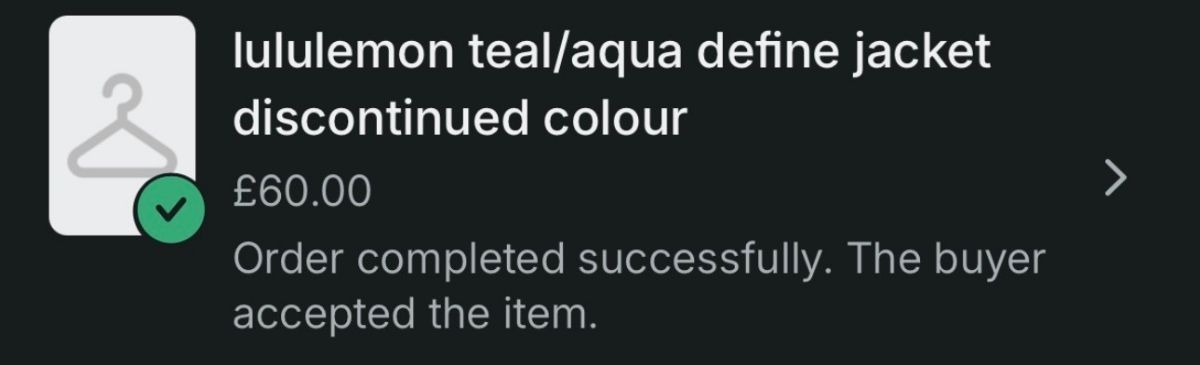
That’s a good example of why I’d suggest learning Vinted with things you already own before spending money on stock. You get to see how listings, offers, pricing and postage work without risking cash on something you hope to resell.
Next, learn one or two types of item rather than trying to know the value of everything.
That could be coats, trainers, sportswear, children’s clothing or a particular type of vintage clothing. The point isn’t to restrict yourself forever. It’s to get better at recognising when something may be underpriced.
Then research before you buy.
Search Vinted for the same or similar items and look at the brand, size, condition, style, current asking prices and the amount of competition.
Bear in mind that an asking price isn’t proof that something will actually sell for that amount.
Finally, start with a handful of items rather than filling your spare room.
Your first target doesn’t need to be £500 a month.
A much better goal is:
Buy five items carefully and sell all five for a genuine profit.
From the start, record what you paid, what you listed it for, what it actually sold for and any other costs. That will quickly show you which types of item are genuinely making you money.
If you can repeat that, you can decide whether you want to grow.
What sells well on Vinted?
There isn’t one product or brand that will always sell well.
Vinted currently allows a wide range of categories including clothing, footwear, children’s items, homeware, electronics, books and media, hobbies, collectables and sports equipment.
For reselling, I’d look for items that combine demand, good condition, manageable competition and enough room for profit.
Branded clothing, coats, trainers, sportswear, children’s clothing and genuine vintage pieces can be useful areas for beginners to learn, but don’t buy something simply because you recognise the label.
A £3 top isn’t much of a bargain if hundreds of similar ones are listed for £5.
I’d also be careful with social media lists telling you which brands are suddenly “hot”. If loads of resellers start chasing the same stock, buying prices can rise while Vinted fills up with similar listings.
Learning how to judge an individual item is more useful than memorising a list of supposedly profitable brands.
Where can you find things to resell?
Charity shops can be useful because you can inspect an item properly before buying it. Prices vary a lot, though, so something being in a charity shop doesn’t automatically make it cheap enough to resell.
Car boot sales can offer low prices, particularly when sellers are more interested in clearing things out than squeezing every last pound from them. Take your phone so you can research anything you’re unsure about before handing over your money.
Jumble sales, school fairs and community sales can sometimes have less competition from other resellers.
Facebook Marketplace can be useful for bundles when somebody is clearing out a wardrobe, although you need to check what you are actually getting. Twenty items for £30 isn’t a bargain if only three are worth selling.
Friends and family can be another source of unwanted belongings.
And your own home is still the best place to begin because there’s no stock cost.
How to spot something worth reselling
Before buying an item, I’d check five things:
- what similar items are currently listed for
- how much competition there is
- the condition
- whether you’re confident it is genuine
- whether the deal still works if you have to accept an offer
Be particularly careful with designer goods, trainers and other commonly copied products.
Vinted bans counterfeit items and says sellers should only upload items they are sure are authentic.
If you aren’t sure, leave it.
Work out your maximum buying price
A useful calculation is:
realistic selling price – profit you want – expected costs = maximum buying price
Say you think something could realistically sell for £20.
You want at least £8 left as profit and allow £2 for other costs.
£20 – £8 – £2 = £10
But I’d still ask what happens if you have to accept £17 instead of £20.
If the deal only works when you achieve the perfect selling price, there probably isn’t enough room in it.
The biggest mistake is buying first and doing the maths afterwards.
How to price, list and sell your items
Start by looking at several similar Vinted listings and choose a realistic price.
Bear in mind that your asking price isn’t always the buyer’s final cost. Vinted adds Buyer Protection, and the buyer will usually pay postage too. That means an item listed at £20 will cost them more than £20 at checkout, which is another reason not to push your asking price too high.
If you’d happily accept £18, you might list slightly higher to leave room for an offer. There’s no point listing a £20 item for £35 simply so somebody can haggle you down.
Then make the item easy to buy.
Take bright, clear photographs showing the front, back, labels, important details and any faults. If you’re selling shoes, show the soles.
Avoid using apps to remove or replace the background on your listing photos. Vinted’s current rules say the pictures you upload should not be edited.
Vinted says listing photos should show the item as it really is, be clear and be taken by the seller rather than copied from elsewhere.
Make the title useful too.
Instead of:
Nice black jacket
Try: Nike men’s black padded jacket size M
The description doesn’t need to be an essay. Give the buyer the brand, size, condition, useful measurements and any faults.
If something isn’t selling after a while, review the price, first photo and listing rather than simply forgetting about it.
And don’t become too attached to the price you originally wanted.
If you paid £5, listed something for £22 and receive a £19 offer after several weeks, taking the profit may be better than waiting months for another £3.
Your money can then go back into better stock.
What happens when an item sells?
When somebody buys your item, they normally choose and pay for the delivery option at checkout. Vinted then provides the shipping details or prepaid label.
You normally have five business days to send the parcel, otherwise the order can be cancelled. Once the order is completed, the money moves into your available Vinted balance and can then be used on Vinted or withdrawn.
Common Vinted reselling mistakes
Paying too much for stock is one of the quickest ways to kill your profit.
Other common mistakes include buying something simply because it’s cheap, buying too much before you know what sells, assuming a famous brand guarantees profit, hiding faults, holding poor stock for months waiting for the perfect price and confusing the amount you sell with the amount you actually make.
You should also think about your time.
Making £2 on something that took ages to source, photograph, list, store, pack and send probably isn’t a great use of a side hustle.
And don’t ignore Vinted’s rules around professional selling. Check how you intend to use the platform before building up a pile of stock.
The simplest rule is:
Research first. Buy second.
Watch out for Vinted scams
Most sales will be straightforward, but scammers do target online sellers.
Keep transactions and messages within Vinted, be wary of links asking you to confirm payments and don’t hand over card details simply because somebody says they need them to pay you.
We’ve covered the main tricks to look out for in our guide to common Vinted scams and how to avoid them.
Do you pay tax on Vinted reselling?
Selling your own unwanted possessions is different from buying goods with the intention of selling them for a profit.
HMRC says you’re probably trading if you buy goods intending to sell them for a profit. Its current guidance even gives the example of someone buying items from car boot sales and charity shops to resell online.
There is currently a £1,000 trading allowance.
The important bit is that the £1,000 figure relates to gross trading income, before expenses are deducted. Income from other trading activities can count towards the same allowance too.
If your total gross trading income is more than £1,000 in a tax year (6 April to 5 April), HMRC says you’ll need to tell them about it.
If you use the trading allowance to work out your taxable profit, you generally cannot also deduct your actual business expenses, so check which option applies to your circumstances.
Online marketplaces may also need to collect and report seller information to HMRC. Being reported by a platform does not automatically mean you owe tax.
If you’re reselling, keep records of what you buy, what you paid, what you sold it for and your other business costs.
Vinted reselling FAQs
Is Vinted reselling worth it?
It can be if you can repeatedly find stock that leaves enough profit for the time involved.
Test it on a small scale before putting lots of money into stock.
Can you make a living selling on Vinted?
It may be possible to build a larger reselling business, but that’s very different from selling a few items each month.
First prove that you can consistently source and sell profitable stock.
Can you buy something on Vinted and resell it?
Buying items specifically with the intention of reselling them is one of the things Vinted considers when deciding whether someone is acting commercially.
If you’re doing this professionally, make sure your account and listings meet Vinted’s current Pro requirements.
What is the best thing to resell on Vinted?
There isn’t one best item.
Look for demand, good condition, manageable competition and a big enough difference between your buying price and realistic selling price.
How much money do you need to start?
Very little.
Sell unwanted belongings first, then you could test the idea with £20 or £30 rather than putting hundreds of pounds into stock.
Is Vinted reselling a good side hustle?
It can be a relatively low-cost side hustle to test because you don’t need lots of stock to begin.
The key isn’t buying as much as possible. It’s learning to buy the right things at the right price.
Start with items you already own, learn how Vinted works and then test a handful of carefully researched purchases.
If you can repeatedly turn a small amount of stock into a genuine profit, you can decide whether you want to take it further.
And if Vinted isn’t quite right for you, our guide to the best side hustles in the UK covers plenty of other ways to earn extra money.
Saved a few quid with our tips?
If Skint Dad has helped you spend less or feel more in control of your money, you can support the site with a small contribution.

- Vinted reselling: how to start and make money in the UK - 14 September 2026
- Best things to buy and sell for profit in the UK - 14 September 2026
- Make money online UK: 20 realistic ways to earn extra money - 12 September 2026
