Buying something for less than you can sell it for sounds simple enough. In reality, successful reselling comes down to knowing what people actually want, what they are willing to pay and how much profit is left once all your costs are taken out.
You don’t need a warehouse full of stock to start. Plenty of people begin by learning one type of product, buying a few items cheaply and seeing what happens.
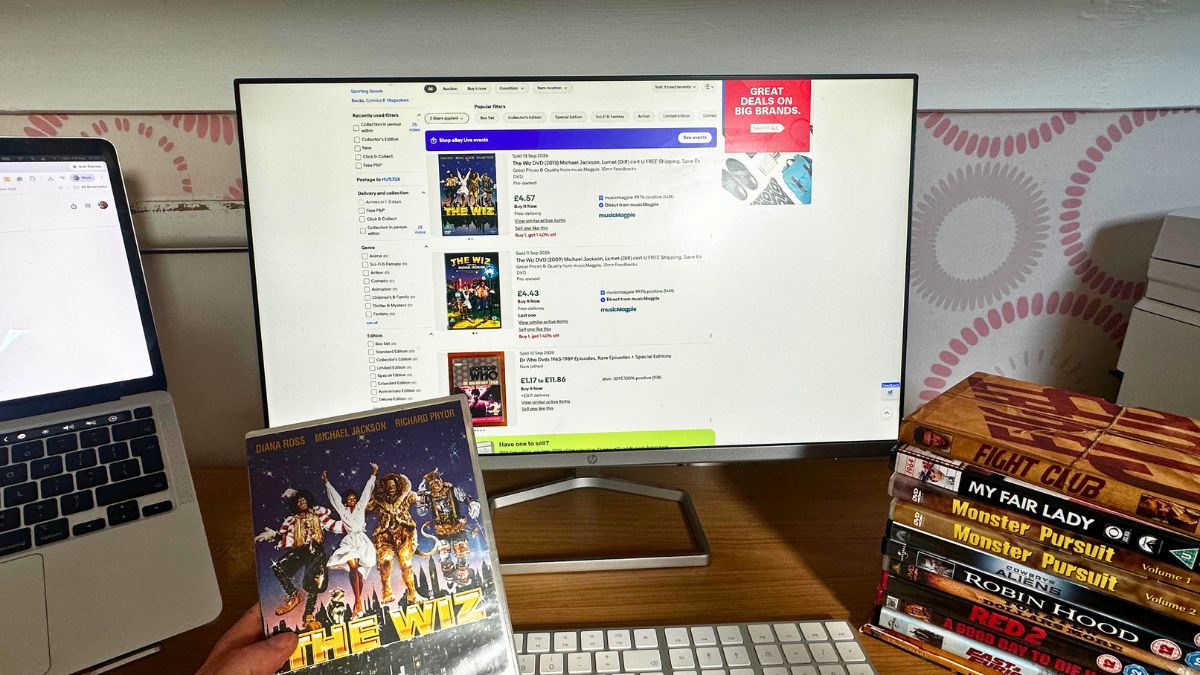
There is also an important difference between selling things you already own and buying items specifically to resell for profit. If you are clearing out cupboards and selling unwanted belongings, that is different from deliberately sourcing stock as a side hustle or business.
Get a sign-up bonus with Swagbucks
Earn a bit of extra money in your spare time with surveys, offers and other simple tasks you can do at home.
New users can currently get a bonus when they sign up.
Claim sign-up bonus
If buying and selling isn’t for you, there are plenty of other ideas in our guide to the best side hustles in the UK.
Best things to buy and sell for profit at a glance
Some products are easier to start with than others. A cheap book is very different from buying an expensive watch that you need to authenticate before selling.
Here are some of the categories worth looking at.
| What to resell | Beginner-friendly? | Main thing to watch |
|---|---|---|
| Branded and vintage clothing | High | Condition and fakes |
| Trainers and shoes | Medium | Authenticity and wear |
| Books and textbooks | High | Common low-value titles |
| LEGO, toys and games | High | Missing parts |
| Video games and consoles | Medium | Testing and condition |
| DVDs, Blu-rays and physical media | High | Many common titles are low value |
| Phones, cameras and electronics | Medium | Faults, locks and returns |
| Furniture and homeware | Medium | Storage and transport |
| Tools and DIY equipment | Medium | Condition and testing |
| Sports and outdoor gear | Medium | Size, condition and season |
| Watches and jewellery | Low/Medium | Authentication |
| Collectables | Depends on your knowledge | Knowing the real value |
| Musical instruments and gear | Medium | Condition and repair costs |
This isn’t a list of guaranteed winners. The same item can be a brilliant buy at £5 and a terrible buy at £25.
The skill is working out which is which before you hand over your money.
What makes something worth reselling?
Finding something cheap does not automatically make it a bargain.
Before buying stock, there are a few things worth checking.
Look at sold prices, not asking prices
One of the easiest mistakes to make is searching for an item online, seeing people listing it for £50 and assuming yours is worth £50 too.
An asking price only tells you what a seller wants.
Where possible, look at what comparable items have actually sold for.
Check the exact model, size, edition, condition and any accessories included. Small differences can have a big effect on value.
Check whether people are actually buying it
An item can appear valuable but still take months to sell.
Look at how many similar items have sold compared with how many are currently listed. This gives you a better feel for demand.
Something that makes £8 profit and sells quickly can sometimes be more useful than stock offering £30 profit that sits on a shelf for a year.
Condition matters
A missing LEGO figure, scratched game disc, stained jacket or camera with a fault can completely change what an item is worth.
Before buying, check the damage and wear, missing pieces or accessories, whether electronics work properly, labels or model numbers, and whether the item needs cleaning or repair.
Be realistic about what you can fix yourself.
Be careful with authenticity
The potential profit on branded clothing, trainers, watches, jewellery and collectables can be attractive, but these are also categories where counterfeit goods are a risk.
If you cannot confidently tell whether something is genuine, walking away can be cheaper than learning the hard way.
Think about the space it will take up
Storage is easy to forget when you first start.
Twenty books fit on a shelf.
Twenty chairs are a different problem.
Bulky items can still be profitable, particularly if you sell locally, but make sure you have somewhere sensible to keep them while you wait for buyers.
We’ll look at the full cost calculation later, because the buying price and eventual selling price are only part of the story.
Best things to buy and sell for profit
There isn’t one “best” product to resell.
A much better starting point is finding a category where you can learn what sells, what different items are worth and where buyers tend to look for them.
1. Branded and vintage clothing
Clothing is one of the easiest reselling categories to start exploring because second-hand stock is everywhere.
Charity shops, clothing bundles, car boots, clearance rails and local sellers can all turn up decent items.
But a recognisable brand name doesn’t automatically mean profit.
Look at the brand, size, style, condition, age, current demand and what similar items have actually sold for.
Vintage sportswear, jackets, denim and certain designer or premium brands can perform particularly well when bought at the right price.
The big risk is paying too much because something looks valuable.
2. Trainers and shoes
Shoes deserve their own category because condition can make such a big difference to their resale value.
Certain trainers, boots and premium shoes can hold their value well, particularly when they are clean and in popular sizes.
Check soles, heels, interiors and any damage carefully.
With higher-value branded trainers, authenticity becomes especially important. If you don’t know the market, start with lower-risk items while you learn.
3. Books and textbooks
Books are cheap to practise with and don’t usually require much money upfront.
The problem is that millions of second-hand books are worth very little.
Instead of buying random novels, look for specialist non-fiction, textbooks, academic books, out-of-print titles, unusual editions, complete sets and niche hobby books.
Check the ISBN where possible, as two books that look almost identical can have very different resale values.
4. LEGO, toys and board games
Children’s toys can have a strong second-hand market because parents are often happy to buy used if the condition and price are right.
LEGO is an obvious example, but there can also be demand for discontinued toys, figures, board games and complete sets.
With used toys, completeness matters.
A board game missing one important piece or a LEGO set missing key figures may be worth much less than a complete one.
On the other hand, large mixed bundles can sometimes be useful stock if you know how to sort and split them.
5. Video games, consoles and accessories
Games and consoles have an active second-hand market, but this is another area where knowing the products helps.
Older games aren’t automatically valuable, and a pile of common titles may only be worth a small amount.
Specific editions, older consoles, controllers, accessories, boxed products, limited releases and bundles can all be worth researching.
Test electronics before selling wherever possible and describe faults accurately.
6. DVDs, Blu-rays, vinyl and other physical media
Most common DVDs are not secretly worth £20 each.
But physical media can still work as a reselling category if you buy cheaply enough and learn which titles people are looking for.
Potentially more interesting items can include discontinued releases, box sets, steelbooks, collector editions, boutique Blu-ray releases, unusual or niche films, certain music releases and complete sets.
Buying large bundles can bring the average purchase price down considerably, although it also creates work sorting, researching, storing and listing everything.
This is one we’re currently testing ourselves at Skint Dad, which I’ll come back to later.
7. Phones, cameras and small electronics
Used electronics can command decent selling prices because new devices are expensive.
Phones, cameras, lenses, headphones and other smaller electronics may all be worth researching.
The downside is risk.
A device could have a hidden fault, poor battery health, damage, missing accessories or account or security issues.
Testing becomes extremely important, and the amount you are willing to pay should reflect that risk.
8. Furniture and vintage homeware
Furniture can be bought cheaply because sellers often care more about getting it out of the house than achieving the maximum possible price.
That can create opportunities.
Solid furniture, unusual vintage pieces, mirrors, small tables and certain homeware can all be worth looking at.
Some resellers also clean, repair or upcycle items before selling them.
The biggest limitations are obvious: storage, transport and collection.
A £40 profit sounds less attractive if an item takes up half your garage for three months.
9. Tools and DIY equipment
Good-quality tools can be expensive to buy new, which helps create a second-hand market.
Power tools, hand tools, toolboxes and workshop equipment can all be worth researching.
Brand and condition matter a lot.
Battery-powered tools also need more care because replacement batteries can be expensive and older batteries may no longer hold much charge.
10. Sports and outdoor equipment
Sports gear can work well because people often want decent equipment without paying the new price.
Golf equipment, football boots, bikes and cycling gear, camping equipment, fishing gear, gym equipment, rackets and outdoor equipment are all potential areas to research.
Seasonality matters here.
Something may attract far more buyers at the beginning of its season than at the end of it.
11. Watches and jewellery
There can be strong margins in watches and jewellery, but this isn’t where I’d suggest an absolute beginner spends a lot of money.
Brand, materials, condition, authenticity and model can all affect value.
Cheap watches needing a battery may occasionally be worth restoring, but don’t assume every broken watch is an easy flip.
The more valuable the item, the more important it becomes to know exactly what you are buying.
12. Collectables
This is a huge category.
Trading cards, figures, memorabilia, coins, older toys and countless other products can become collectable.
The catch is that collectables tend to reward knowledge.
Two items that look almost identical could be worth £2 and £200.
If you already know a particular hobby well, that knowledge can give you an advantage when spotting underpriced stock.
If you don’t, take the time to learn before spending serious money.
13. Musical instruments and equipment
Guitars, keyboards, amplifiers, pedals and other music equipment can have strong second-hand demand.
Again, knowledge helps.
A buyer may care about the exact model, year, specification and condition rather than simply whether something is “a guitar”.
Smaller accessories can also be easier to store and post than full-size instruments.
Check electrical equipment works properly and factor any required repairs into the price you are prepared to pay.
Start with something you understand
You don’t need to become an expert in all 13 categories.
In fact, I’d do the opposite.
Pick one or two areas you are genuinely interested in and learn them properly.
You’ll start recognising brands, models, editions and prices much more quickly. You’ll also get a feel for what sells easily and what looks valuable but sits unsold.
That’s one reason we chose physical media for our own test. I already have an interest in films, and buying bundles gives us plenty of real stock to research, sort and eventually sell.
Your first goal shouldn’t be to find the biggest possible profit.
It should be to learn how to recognise a good buy without risking much money.
Where to find things to resell
Once you have an idea of what you want to sell, the next job is finding stock cheaply enough to leave room for a profit.
There isn’t one best place to source it. Different categories turn up in different places, and part of becoming better at reselling is learning where other sellers aren’t looking.
Charity shops can be useful for clothing, books, toys, homeware and the occasional collectable. Car boot sales can offer a much wider mixture, particularly when sellers are more interested in clearing space than achieving the highest possible price.
Local marketplaces can also be useful. Someone selling an entire collection, house clearance or bundle may be willing to accept less per item because they want everything gone at once.
Auctions are another option. That can include traditional auction houses as well as more specialist sources such as police auctions, where unclaimed property may be sold.
Liquidation and customer-return stock is another route, although it carries more risk. A cheap-looking returns pallet can contain damaged, incomplete or difficult-to-sell products, so the headline retail value is much less important than what you can realistically recover from it.
Clearance sections, wholesalers and discounted retail stock can work too, but don’t assume that being reduced automatically makes something profitable.
The important question is always the same:
What can I realistically sell this for after all my costs?
Buying bundles and job lots
Buying individual items isn’t the only way to source stock.
Sometimes a seller wants rid of 20, 100 or even 1,000 items in one go. Buying the whole lot can bring the average purchase price down substantially.
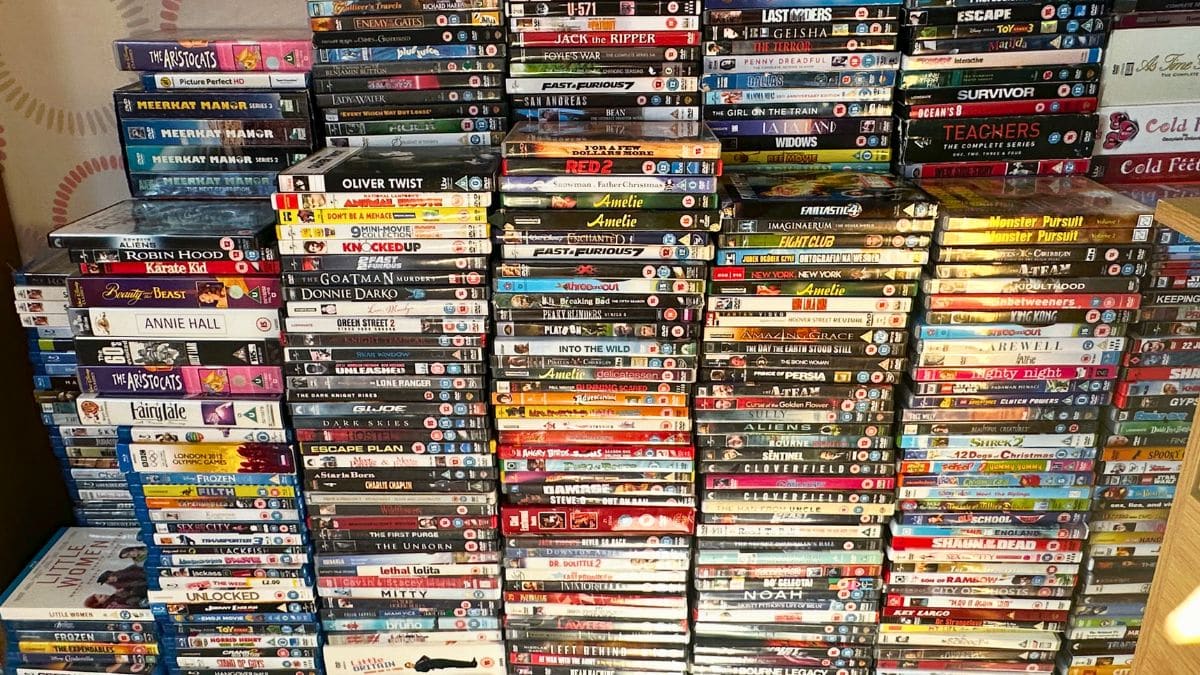
That is basically what we’ve done with our physical-media experiment.
The advantage is obvious: if you know the category, there may be several valuable or easy-to-sell items mixed in with cheaper stock.
The downside is that a bundle can also contain a lot of things nobody particularly wants.
So don’t just divide the purchase price by the number of items and assume that is your cost per saleable product.
If you pay £100 for 200 items but only 80 are realistically worth listing, those 80 need to generate enough to cover the whole purchase.
You also need to account for the time spent sorting, researching, cleaning, photographing, listing and storing everything.
A huge bargain can quickly become a huge pile of work.
Where should you sell your stock?
The best place to sell depends on what you have.
You don’t need to become loyal to one marketplace. The goal is to put the item in front of the people most likely to want it.
eBay
eBay can work for a huge variety of products, including clothing, collectables, electronics, tools and physical media.
It can also be useful when an item has potential buyers beyond your local area.
If you are buying items specifically to resell on eBay, you should register as a business seller. That is eBay’s own guidance, and its business-seller rules and fees are different from those for private sellers.
We plan to build a separate Skint Dad guide to selling on eBay rather than trying to cover everything here.
Vinted
Vinted now covers much more than clothes, including books and media, toys, tech accessories, homeware and other second-hand categories.
There is an important difference between clearing out your own belongings and selling commercially, though.
If you’re looking at Vinted as a side hustle, our guide to Vinted reselling explains how to start, what to look for and how the professional-selling rules work.
Vinted says commercial selling is only allowed through Vinted Pro. UK sole traders and registered companies can sign up as professional sellers.
If you are buying stock specifically to resell, check its current professional-selling rules before listing.
Facebook Marketplace
Facebook Marketplace can be particularly useful for things that are awkward or expensive to post.
Furniture, larger equipment, collections and bulky items can often make more sense as local sales.
The downside is that local selling can involve more messages, no-shows and arranging collections.
Depop
Depop is more fashion-focused, which can make it useful for vintage clothing, streetwear and certain styles that suit its audience.
Again, don’t choose a marketplace simply because it is popular.
Choose it because buyers for your particular item are there.
Amazon
Amazon can work for some reselling businesses, but it isn’t automatically the easiest place for a beginner.
Seller requirements, fees, product restrictions and competition all need checking before buying stock with Amazon in mind.
Don’t ignore specialist marketplaces
Sometimes a specialist marketplace makes more sense than a huge general platform.
Discogs, for example, is built specifically around music releases and can be useful for records and other physical music.
The lesson isn’t that you need an account everywhere.
Ask yourself:
Where would someone who really wants this particular item go looking for it?
That can sometimes lead you to a much more suitable buyer.
Live selling: Whatnot, eBay Live and TikTok Shop
Live selling gives resellers another option.
Instead of uploading a listing and waiting for someone to find it, you broadcast live, show products to viewers, answer questions and potentially sell or auction items in real time.
Whatnot operates in the UK and is built heavily around live selling.
eBay Live is also available in the UK to eligible professional sellers. Sellers need a business account and approval to use the service.
TikTok Shop also offers LIVE selling and auction-style features for eligible UK sellers and products.
Live selling could suit collectables, clothing, toys, cards and other stock where buyers benefit from seeing the product and interacting with the seller.
It also adds another skill.
You need to be comfortable presenting products, talking to viewers and keeping the sale moving. It won’t suit everyone.
We’re particularly interested in testing Whatnot ourselves once we start selling some of our physical-media stock.
That way we can eventually report what actually happened rather than simply tell you how the platform is supposed to work.
Auctions, fixed prices or offers?
Choosing the marketplace is only part of the decision.
You also need to think about how to sell.
A fixed price can work well when you have a good idea what an item is worth.
Offers can help when there is room to negotiate.
Auctions can make sense when several buyers may compete for something scarce or collectable, although an auction doesn’t guarantee a high price.
Live auctions add another option.
There is no rule that one format is always better.
Look at how similar items are actually selling and test what works for your stock.
Should you list on more than one marketplace?
Cross-listing means putting the same item on two or more marketplaces.
It can increase the number of potential buyers seeing your stock and reduce your reliance on one platform.
But organisation becomes much more important.
If something sells on eBay and is still live somewhere else, you need to remove the second listing quickly.
That gets increasingly difficult when you have hundreds of products.
So if you cross-list, keep a proper inventory rather than relying on memory.
Work out your real profit before buying
One of the easiest ways to fool yourself with reselling is to look only at the buying price and selling price.
Suppose you buy something for £10 and sell it for £25.
It is tempting to say:
“I made £15.”
You probably didn’t.
Your calculation needs to look more like:
Real reselling profit
Selling price
− purchase price
− marketplace or payment costs
− packaging
− postage
− cleaning or repairs
− other direct costs
= actual profit
And there is another cost that doesn’t appear on that calculation:
Your time.
Spending an hour researching, cleaning, photographing and listing something to eventually make £2 may not be the brilliant flip it first appeared to be.
That doesn’t mean every product has to generate a huge margin.
Lower-profit stock can work if it sells quickly and requires very little effort.
Profit isn’t the only number that matters
Imagine two products.
One makes you £20 profit but takes nine months to sell.
Another makes £8 and sells within a week.
Which is better?
There isn’t necessarily one answer, but the second gets your original money back much faster so you can use it again.
That is why sell-through rate and stock turnover matter.
You also need to think about how much money is tied up in unsold stock.
Spending £500 on products that sit in boxes for a year can leave you with very little cash to buy better opportunities when they appear.
The same applies to space.
A slow-selling Blu-ray takes up very little room.
A slow-selling sofa does not.
As you grow, profit, speed of sale, storage and the amount of cash tied up in stock all matter.
What we’re testing at Skint Dad
We’re currently putting this into practice ourselves.
So far, we’ve bought nine bundles containing roughly 1,000 DVDs and Blu-rays.
The original idea wasn’t purely to start a reselling business. I wanted to build up my own film collection too, so we’ll keep some favourite titles and sell duplicates and anything we don’t want.
We’ve spent roughly £300 in total so far.
That includes the stock as well as seven storage boxes, a lightbox for taking photographs and a bookcase.
We haven’t started selling yet.
That means I’m not going to tell you we’ve made £500 profit, predict what everything will sell for or pretend the experiment has already worked.
Once the listings go live, we plan to track what happens properly, including what we list, what sells, how much it sells for, selling costs, postage and packaging, and how long each item takes to find a buyer.
We’ll also record the things that don’t sell.
That matters just as much.
When we report the results, we’ll separate the cost of the stock from our setup costs and the films we decide to keep for ourselves. That should give us a much fairer picture of whether the actual reselling side makes money.
Over time, we should be able to show you our average selling price, actual profit, how quickly different stock sells and whether buying large physical-media bundles was genuinely worth doing.
And if it turns out we bought 1,000 discs only to discover that most of them are practically worthless, we’ll tell you that too.
What should beginners avoid reselling?
I’d be particularly cautious about expensive items you cannot authenticate, electronics you cannot test, badly damaged products you’re relying on being able to repair, bulky items with tiny margins and large quantities of stock where you haven’t proved the demand.
That doesn’t mean those products can never make money.
They’re just poor places to learn when one mistake could wipe out the profit from several successful sales.
Never knowingly sell unsafe, recalled, counterfeit or restricted products either. If you are unsure whether something can legally or safely be sold, check before listing it.
Common reselling mistakes
Paying too much
You can buy the perfect product and still make no money if you overpay for it.
Decide roughly what you need to buy at before negotiating rather than getting carried away because you’ve found something interesting.
Looking at asking prices instead of sold prices
It’s worth repeating.
Someone listing an item for £100 does not make it worth £100.
Actual sales are much better evidence.
Buying too much too soon
It takes time to discover which products you enjoy dealing with and which actually sell.
There is no prize for filling your house with stock in your first month.
Prove the idea with smaller purchases first.
Ignoring the boring costs
Packaging, postage, marketplace costs, cleaning products and the occasional refund can turn an apparently strong margin into a weak one.
Track them.
Choosing the wrong marketplace
The biggest marketplace isn’t necessarily the best marketplace for every item.
A specialist audience may be much better for some stock.
Poor photographs and descriptions
Your listing is effectively your shop window.
Clear photographs, accurate condition information, useful measurements and proper model details make it easier for buyers to make a decision.
Trying to hide damage is also likely to create problems later.
Falling for marketplace scams
Be cautious if a buyer or seller asks you to move payment or communication away from the marketplace, follow an unexpected payment or courier link, or provide information you wouldn’t normally need to complete a sale.
Use the marketplace’s normal payment and messaging systems where possible, and check suspicious messages independently rather than using a link they send you.
Not keeping track of stock
Once you have more than a handful of listings, it becomes surprisingly easy to forget where something is stored, what you paid for it or whether it is listed elsewhere.
Even a simple spreadsheet can help.
Confusing turnover with profit
Selling £1,000 worth of products does not mean you have made £1,000.
What matters is what remains after the stock and selling costs have been taken out.
When does reselling become a business?
This is where selling your old possessions and deliberately reselling for profit become important distinctions.
HMRC says you’re unlikely to pay tax simply because you sell personal possessions from around your home. If you buy or make goods specifically intending to sell them for profit, however, you are likely to be trading.
That is why we distinguish decluttering from reselling in this guide.
What about the £1,000 trading allowance?
There is a UK trading allowance of up to £1,000 per tax year.
The important word is gross.
It is based on trading income before expenses are deducted, not simply your profit.
If your annual gross trading income is £1,000 or less, you may not need to tell HMRC, although there are exceptions. If your gross trading income is more than £1,000, HMRC says you must tell them; if you’re not already registered, this means registering for Self Assessment.
If you went over the limit during 2025/26, check whether the 5 October Self Assessment registration deadline applies to you.
That does not mean going slightly over £1,000 automatically means you pay tax on everything you receive.
Your eventual tax position depends on your circumstances and how your taxable profit is calculated.
Keep records from the beginning.
It is much easier than trying to reconstruct months of purchases and sales later.
Does selling 30 items mean you owe tax?
No.
This gets confused with separate rules requiring online platforms to report certain seller information to HMRC.
Platform reporting is not a new tax threshold.
Having information reported by a marketplace does not automatically mean you owe tax.
Your tax position still depends on what you are actually doing. Someone selling unwanted possessions is in a different position from someone buying stock specifically to make a profit.
Business sellers have other responsibilities too
Once you are operating as a trader, tax isn’t the only thing to consider.
Businesses selling online can have responsibilities around the information they give customers, delivery, cancellations, returns and refunds.
Platforms can also have their own rules determining when you need a business or professional account.
So if an occasional reselling experiment starts turning into a proper business, check the current HMRC, consumer-law and marketplace requirements rather than assuming the rules are the same as selling a few belongings from home.
Is reselling worth it?
It can be.
But I wouldn’t describe reselling as easy money.
The advantage is that you can start fairly small, choose when you work and build knowledge in a category that interests you.
As you become better at spotting value, sourcing stock and choosing the right place to sell it, your results may improve.
The disadvantages are just as real.
You can buy stock that never sells. Buyers can return things. Prices can fall. Platforms can change their rules and fees. Your spare room can slowly become a warehouse.
And reselling takes time.
Researching, collecting, cleaning, photographing, listing, messaging buyers, packing and posting are all part of the job.
That’s why I’d judge it on more than the occasional big flip.
Track what you spend, how much you actually make and how many hours you put into it.
Then you can decide whether your version of reselling is worth continuing.
Reselling FAQs
How do I start reselling?
Start with one type of product you understand and a small amount of money you can afford to have tied up in stock.
Research actual sold prices, buy one or two promising items, choose a marketplace where buyers for those products are already looking and track every cost.
Once you know what sells and how much you really make, use those results to decide whether to buy more.
What is the easiest thing to resell for beginners?
There isn’t one product that will be easiest for everyone.
I’d start with inexpensive items in an area you already understand. Books, clothing, toys and smaller collectables can all be relatively cheap ways to practise researching, listing and posting products.
The important part is keeping the initial risk low.
How much money do I need to start reselling?
Potentially very little.
You don’t need to spend hundreds of pounds on stock immediately.
You could start by selling a few unwanted belongings to learn how marketplaces work, then use some of the money to test a small reselling purchase.
Even £20 or £30 can teach you more than spending £500 on random stock.
Is it legal to buy things and resell them for profit in the UK?
Generally, buying goods and reselling them is legal, but you still need to follow the rules that apply to the products you sell and, where relevant, your responsibilities as a trader.
Counterfeit, unsafe, restricted or otherwise prohibited goods are a different matter.
If you are deliberately buying goods for resale, HMRC is also likely to regard that activity as trading rather than simply selling personal possessions.
Where can I find cheap items to resell?
Charity shops, car boots, local marketplaces, auctions, clearance stock, job lots and collections can all provide stock.
Cheap isn’t enough on its own, though.
Research what the item actually sells for before buying.
What is the best app or website for reselling?
It depends on the product.
Vinted may suit certain second-hand categories, eBay covers an enormous range of products, Facebook Marketplace can work well locally, specialist marketplaces can be better for niche goods, and live-selling platforms such as Whatnot may suit particular types of stock.
Start with where the buyers are, rather than trying to force every product onto one platform.
Do I have to pay tax on reselling?
Selling a few unwanted possessions is different from buying items specifically to sell for profit.
If you are trading, the UK trading allowance and Self Assessment rules may apply. The trading allowance is currently up to £1,000 of gross trading income per tax year, subject to its rules and exceptions.
Check HMRC guidance for your own circumstances rather than using the number of marketplace sales as a tax test.
Can you make a full-time income reselling?
Some people build substantial reselling businesses, but there is no sensible amount we can promise you.
Your results depend on what you sell, how cheaply you source it, demand, margins, volume, costs and how much time you put in.
I’d concentrate first on proving that you can make consistent profit on a small scale before worrying about replacing a salary.
Start small and learn what sells
Reselling doesn’t have to begin with pallets, hundreds of listings and a garage full of stock.
Pick something you understand.
Research real selling prices.
Buy a small amount.
Track every cost.
See what actually sells.
Then use those results to decide what to buy next.
That’s the approach we’re taking with our own physical-media experiment, and we’ll continue updating this guide as we get real results.
Because ultimately the best thing to resell isn’t whatever somebody on TikTok says is “hot”.
It’s something you can repeatedly buy for less than it genuinely costs you to sell it for.

Saved a few quid with our tips?
If Skint Dad has helped you spend less or feel more in control of your money,
you can support the site with a small contribution.
