Millions of private renters in England could get stronger protection against dangerous damp, mould and other problems in their homes under new government plans announced on 8 October 2026.
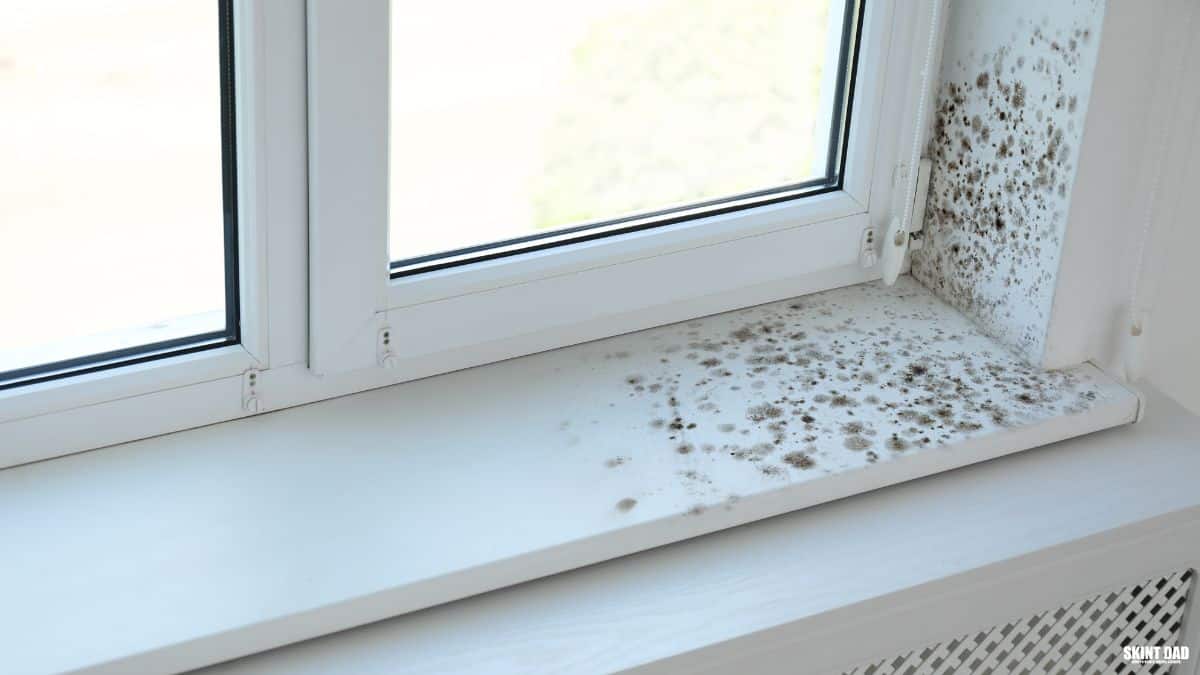
The government opened a consultation on 9 October 2026 to decide how quickly private landlords should have to deal with serious hazards.
The new deadlines are not in force for private renters yet, but tenants already have rights if their home is unsafe.
Get a sign-up bonus with Swagbucks
Earn a bit of extra money in your spare time with surveys, offers and other simple tasks you can do at home.
New users can currently get a bonus when they sign up.
Claim sign-up bonus
The changes would extend Awaab’s Law, which already sets strict repair deadlines for council and housing association landlords.
According to the government’s announcement, more than five million additional households could benefit.
What is the government proposing?
The government wants private landlords to deal with dangerous housing problems within clear legal deadlines, rather than leaving tenants waiting for repairs.
Under the consultation proposals, ministers are asking for views on:
- Giving landlords 5, 10 or 15 working days to arrange investigations into potentially serious hazards.
- Requiring landlords to make serious hazards safe within 3, 5 or 10 working days after an investigation.
- Setting a deadline of 12, 24 or 48 hours to investigate and make emergency hazards safe.
- Requiring landlords to provide written information about the problems found and what will be done.
- Considering whether private landlords should have to provide suitable temporary accommodation if they cannot make a home safe in time.
Making a home safe does not always mean every repair will be finished within these deadlines.
Landlords may be able to use temporary measures to remove the immediate danger, with further work needed to stop the problem coming back.
These are options being considered, not confirmed rules.
For comparison, social landlords already have to investigate significant damp and mould hazards within 10 working days and make homes safe within five working days after an investigation.
Emergency hazards must be investigated and made safe within 24 hours.
The government is considering whether similar requirements would work for private landlords, who may rely on outside tradespeople to carry out repairs.
What problems could be covered?
Damp and mould are a major focus, but the proposals could cover other dangerous conditions, including:
- Homes that are dangerously cold or hot.
- Unsafe electrical wiring and fire risks.
- Dangerous stairs and other serious fall risks.
- Structural problems, such as unsafe walls or ceilings.
- Serious hygiene problems, including some pest infestations.
- Problems involving water supply and other health hazards.
The government is considering covering the same range of housing hazards as social housing, apart from overcrowding.
However, the proposed deadlines would focus on hazards that pose a significant risk to someone’s health or safety, rather than every small maintenance problem.
The final list and the rules for deciding which problems qualify have not yet been confirmed.
When will the new rules start?
There is no confirmed start date for private renters.
The government says 2027 is the earliest possible year, but its consultation also asks whether the rules should begin in 2028 or 2029.
It is also considering introducing the changes in stages, starting with serious damp and mould and emergency hazards.
The consultation closes on 18 December 2026. Ministers will consider the responses before deciding the next steps.
What can private renters do about damp and mould now?
You do not need to wait for Awaab’s Law to be extended before asking your landlord to deal with dangerous conditions.
Private landlords in England already have legal responsibilities to maintain their properties and keep them fit to live in.
This includes dealing with repairs such as leaking roofs, faulty heating, broken pipes and structural problems that cause damp.
Although the new fixed deadlines do not yet apply, landlords must still carry out repairs they are responsible for within a reasonable time. How quickly they should act depends on how serious the problem is.
If you have damp or mould in your home, here are five steps you can take.
1. Tell your landlord in writing. Explain where the problem is, when it started and whether it is affecting anyone’s health. Contact your letting agent if they manage the property.
2. Take photographs and keep records. Save messages, emails and details of previous complaints. This could help if you need to take the matter further.
3. Ask for an inspection and repairs. Your landlord should investigate the cause. Simply cleaning away mould may not solve the problem if there is an underlying leak or ventilation issue.
4. Contact your local council if your landlord doesn’t act or the problem is putting someone’s health or safety at serious risk. Its environmental health or private housing team can investigate serious hazards and may be able to require your landlord to take action.
5. Get free housing advice. Shelter has guidance for private renters dealing with damp and mould, including what to do when a landlord refuses to help.
If damp or mould is affecting someone’s health, make this clear when reporting it and seek medical advice where needed.
You should also continue paying your rent while waiting for repairs. Do not stop paying or deduct repair costs without getting proper advice first.
Why is it called Awaab’s Law?
The law is named after two-year-old Awaab Ishak, who died in 2020 after prolonged exposure to mould in his family’s social rented home.
His parents had repeatedly raised concerns about the conditions.
The tragedy led to a campaign for tougher rules so landlords would have to deal with dangerous conditions much faster.
Awaab’s Law began applying to social housing in England in October 2025. The latest consultation is part of the government’s plans to extend those protections to private renters.
It is also considering whether the rules should cover people in temporary accommodation, supported housing and accommodation for young people leaving care.
How to have your say on the new rules
Private renters, landlords and other members of the public can respond to the consultation.
You do not need to answer every question. Renters can concentrate on the parts that affect them, including how quickly landlords should investigate and repair dangerous conditions.
You can complete the government’s online consultation or email your views to awaabslawconsultation@communities.gov.uk.
The deadline is 11.59pm on Friday 18 December 2026.
The consultation is for views on the proposed rules, not for reporting individual repair complaints.
If your home is unsafe, contact your landlord and seek help from your council rather than waiting for the consultation to finish.
The proposals follow wider changes to renting in England. We previously covered what the Renters’ Rights Act meant for tenants when it became law in 2025.
For now, the important thing is that private renters already have the right to ask for serious problems to be put right.
The proposed law could make the timescales clearer and give renters stronger ways to challenge delays.