The FCA plans to give banks more freedom over contactless limits. Here’s what it means, the good and bad, and how it could affect your spending.
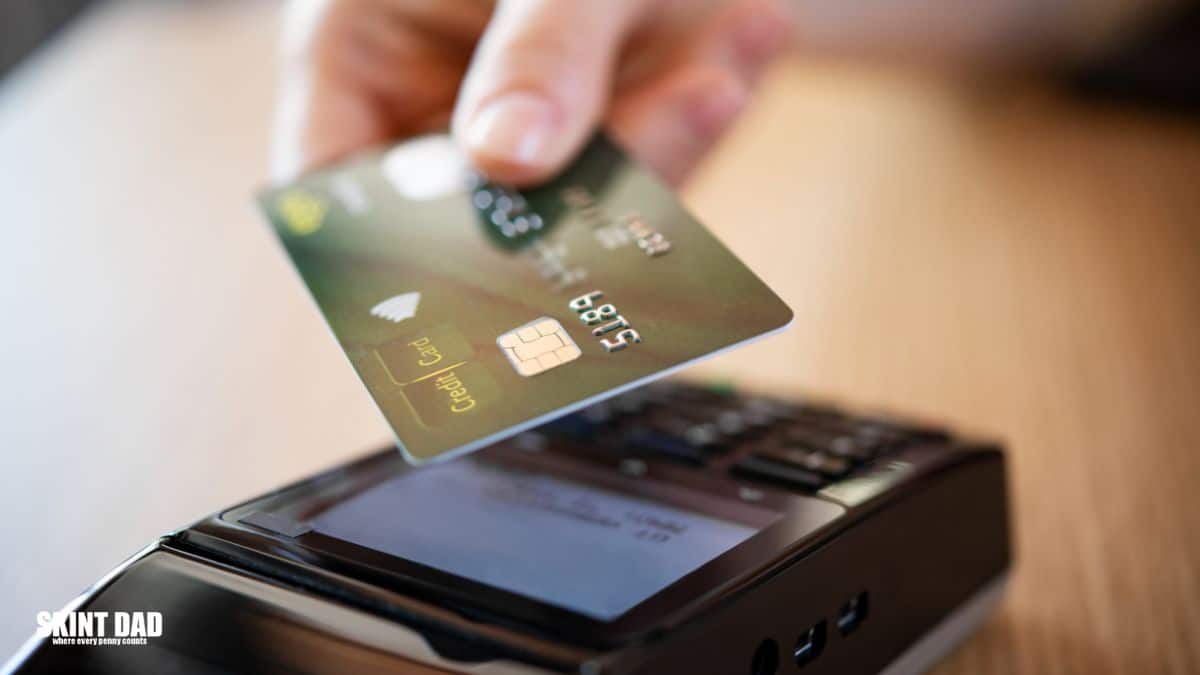
What has been announced
The financial regulator, the Financial Conduct Authority, has said banks and payment providers will be allowed more flexibility over contactless payment limits in future.
At the moment, there is a standard cap on how much you can spend using contactless before you need to use chip and PIN. Under the new rules, banks with strong fraud controls will be able to set their own limits instead.
Get a free £10 bonus with Swagbucks
Earn a bit of extra money in your spare time with surveys, videos, and simple tasks you can do at home.
New users can get a £10 bonus when they sign up.
Get the £10 bonus
The change is due to take effect from March 2026. Nothing is changing right now.
The FCA says the aim is to keep up with how people pay, rising prices, and new technology, while still protecting customers.
What this could mean
This does not mean all banks will raise contactless limits.
Some banks may keep things exactly as they are. Others may increase limits, or give customers more control over setting their own limit. Many banks already let people lower their limit or turn contactless off in their app.
The FCA has also said most banks are likely to keep current limits for the foreseeable future, even after the rule change.
If a bank does make a change, it must tell customers clearly.
The good things for consumers
For many people, contactless is the main way they pay day to day. According to Barclays, in 2024, 94.6% of all in-store card payments under £100 were made using contactless.
Higher or more flexible limits could mean fewer awkward moments at tills when a payment is declined. It may also help when prices are higher and smaller shops add up quickly.
Giving people the option to set their own limit could be useful too. Some might want a higher limit for convenience, while others may want to lower it for peace of mind.
Fraud protections stay the same. If your card is lost or stolen and someone uses it without permission, you should still be refunded under existing rules.

Skint Dad says:
Choice is only helpful if it’s clear. Being able to set your own contactless limit can be a good thing, but only if people understand what’s changing and feel in control.
The downsides and risks
Contactless makes spending very easy. That is not always a good thing.
If limits go up, it could become easier to spend larger amounts without really noticing, especially for people who already struggle to keep track or who rely on mental budgets.
There is also a real risk of confusion. Different banks may do different things, with different limits and settings. That can be hard to follow, particularly for people who are not confident with apps or online banking.
For some, higher limits may feel like pressure to spend more, even if that is not the intention.
How this could affect people who struggle with spending
If you find it hard to control spending, this change could feel worrying.
The important thing to remember is that contactless is optional. You can usually lower your limit, turn it off, or stick with chip and PIN if that feels safer.
If your bank offers settings in its app, it is worth checking what controls are available and using them in a way that suits you, not what is most convenient for the bank.
If changes feel confusing or stressful, you are not alone. Banks are expected to explain any changes clearly, and you can ask for help if something does not make sense.
Here’s a much shorter version that works neatly as a small in-article section.
How things have changed
Contactless payments started with very low limits, around £10 to £15, and were mainly for small purchases.
In 2012, the limit rose to £20, then to £30 in 2015 as contactless became more common for everyday spending.
During the pandemic, the limit increased to £45 in 2020, then jumped to £100 in 2021. That made it possible to pay for much bigger shops without using chip and PIN.
What happens next
Nothing changes until at least March 2026.
From then on, banks will be allowed to set their own contactless limits, as long as they have strong fraud controls. That means limits may no longer be the same for everyone.
However, banks decide if and when they make changes. Any updates should be clearly explained before they happen.
For now, this is something to be aware of, not something to panic about.
Saved a few quid with our tips?
If Skint Dad has helped you spend less or feel more in control of your money, you can support the site with a small contribution.

- I was sent a fake HMRC tax notice. Here’s how to spot the scam - 8 January 2026
- A once-a-year money check most families forget (with rough savings) - 6 January 2026
- The January bills reality check: the traffic light method that works - 1 January 2026
