Diesel has hit an average of just over £2 a litre for the first time, pushing the cost of filling a typical family car above £110.
The UK average reached a record 200.01p a litre on 2 October 2026, according to the RAC.
Update 4 October 2026: This article has been updated after the UK average diesel price reached a record 200.01p a litre on 2 October.
Asda is currently offering Rewards users 5p off every litre after a qualifying £40 shop, which could help if you were already planning to spend that much.
How much is diesel now?
The average price of diesel reached a record 200.01p a litre on 2 October 2026, according to the latest RAC Fuel Watch data.
That takes it above the previous record of 199.09p a litre, which was set on 25 June 2022.
At the new average price, filling a 55-litre family car with diesel costs around £110.01.
The RAC says that is £31.70 more for a tank than it cost on 28 February.
That’s a huge expense for households that rely on their car for getting to work, school runs and everyday journeys.
How does the Asda 5p fuel offer work?
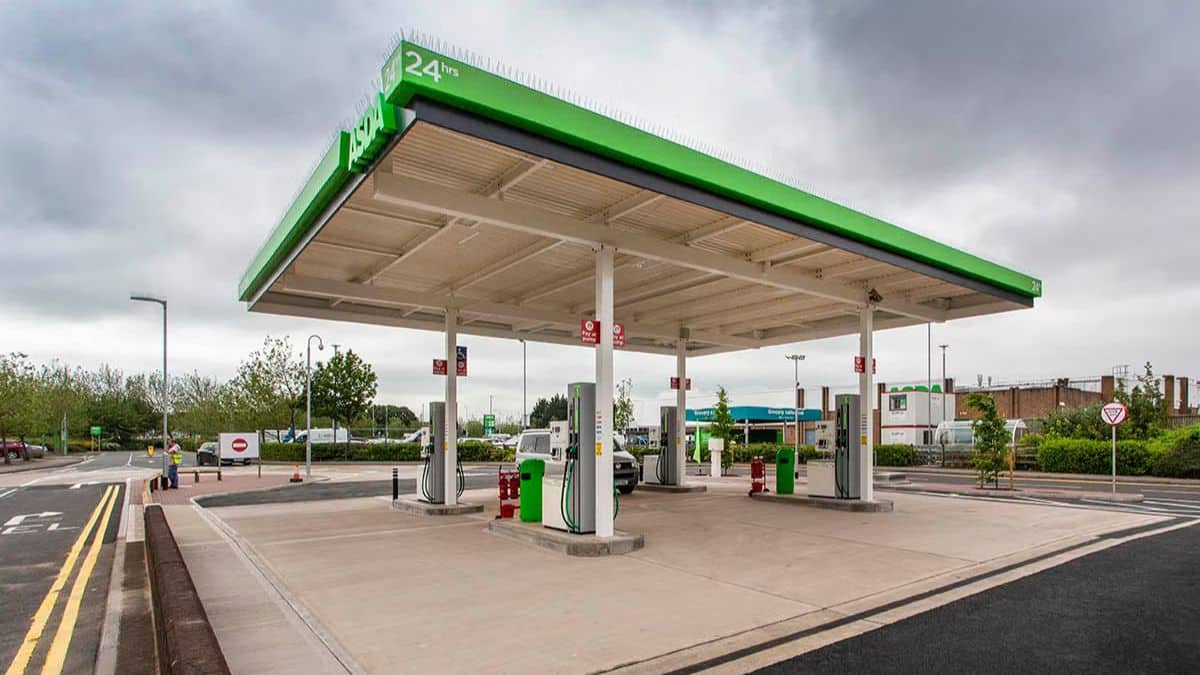
Asda has brought back a deal that gives eligible Asda Rewards users 5p off every litre of fuel.
To qualify, you need to spend £40 or more in a single transaction in an Asda store between 23 September and 14 October 2026.
The fuel coupon is then automatically added to your Asda Rewards app.
It can be used on one fuel purchase until 31 October 2026 at 262 participating Asda and Asda Express filling stations selling Asda-branded fuel.
Asda says someone filling a typical 60-litre family car could save up to £3. If you put in 55 litres, the saving would be £2.75.
You can read the full Asda fuel offer announcement here.
Is the Asda fuel offer actually worth it?
It can be, but don’t spend £40 on shopping you don’t need just to get the fuel discount.
Tesco is also running a fuel deal from 1 October, giving shoppers 8p off a litre after a £60 in-store shop. See how the Tesco fuel offer works and how much you could save.
Spending an extra £10 or £20 to qualify for a coupon that saves you around £3 wouldn’t leave you better off.
The offer makes more sense if you were already planning to spend at least £40 on your normal Asda shop.
It’s also worth comparing the price of fuel nearby before using the coupon.
Google Maps and Waze now let UK drivers compare nearby petrol and diesel prices before deciding where to fill up.
For example, if another filling station is already more than 5p a litre cheaper than your local Asda, you could still pay less there without needing the discount.
Look at the final price you’ll actually pay rather than assuming a fuel offer automatically makes somewhere the cheapest place to fill up.
The government’s Fuel Finder scheme makes up-to-date fuel price data available through apps and comparison websites, which can help you compare nearby filling stations before setting off. Petrol stations are required to report price changes within 30 minutes.
Why are diesel prices getting so high?
The RAC says disruption to fuel supplies caused by the continuing conflict in the Middle East has helped push pump prices sharply higher.
Diesel has risen from 142.38p a litre at the end of February to 200.01p a litre on 2 October.
That means filling a 55-litre diesel car now costs £31.70 more than it did on 28 February.
The RAC has also warned that further pressure on diesel supplies could push prices higher still.
Fuel prices can change quickly, so the amount you pay will depend on when and where you fill up.
What can drivers do to cut fuel costs?
Don’t assume the nearest filling station is the cheapest.
Compare prices around where you live or along journeys you’re already making. Driving several miles out of your way to save a tiny amount per litre can wipe out the saving.
Loyalty offers such as Asda’s can help too, but only when you would have met the spending requirements anyway.
You can use services displaying government Fuel Finder data to compare petrol and diesel prices near you.
You can also reduce how much fuel you use by keeping your tyres at the correct pressure, removing unnecessary weight from the car and combining shorter journeys where possible.
With diesel now averaging £2 a litre, even small savings can start to make a difference to the monthly household budget.