Google Maps and Waze are adding petrol and diesel prices across the UK from Thursday 8 October, giving drivers another way to compare nearby filling stations before setting off.
The new feature uses the Government’s Fuel Finder data and will be available nationwide from launch.
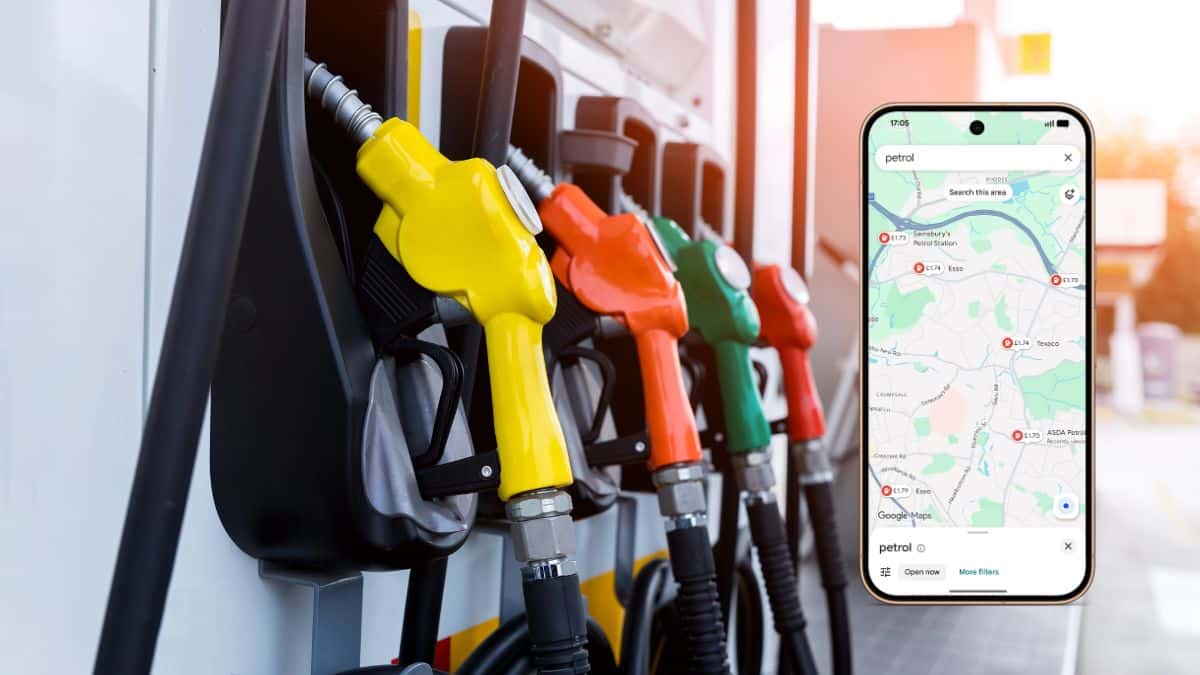
Drivers will be able to search for “petrol” or “fuel” in Google Maps or Waze, see prices at nearby forecourts and check the different types of fuel available at individual stations.
It could make it much easier to check whether the nearest petrol station is actually the cheapest before filling up.
How the new Google Maps fuel prices work
Google says searching for “petrol” or “fuel” will bring up nearby filling stations and their fuel prices.
Prices can appear directly on the map, allowing drivers to compare several stations without opening each one separately.
Tap on an individual filling station and Google Maps can also show the prices of the different fuels available there, such as unleaded, super unleaded and diesel.
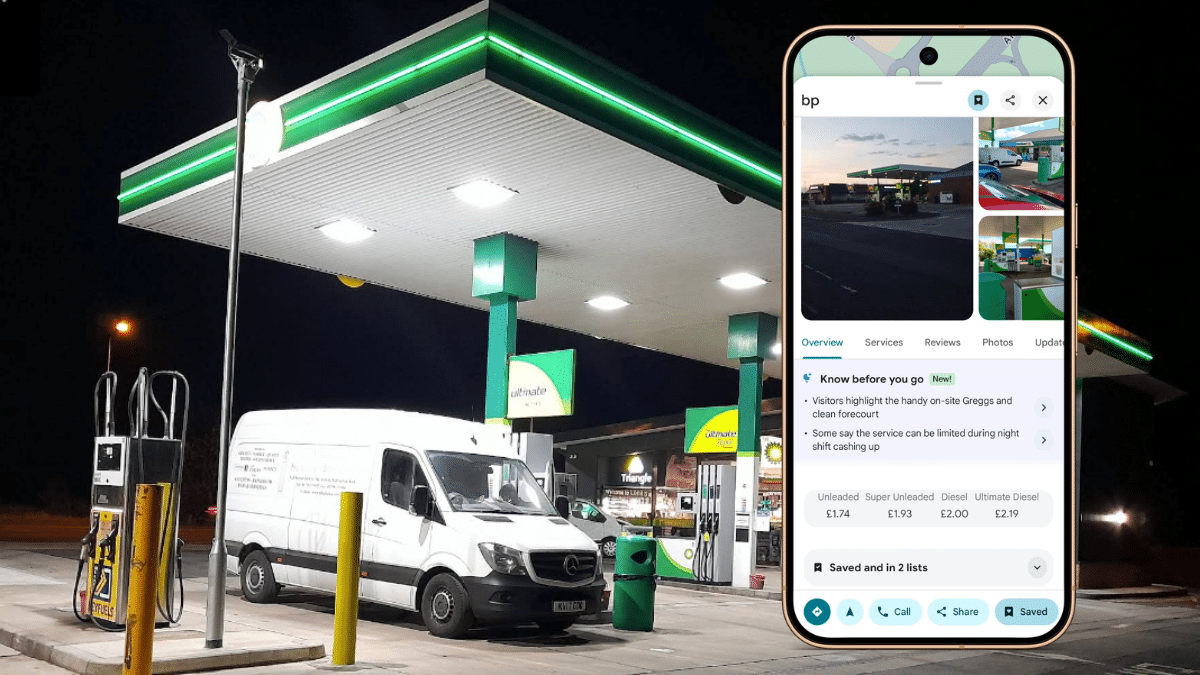
Google is launching the feature in partnership with the UK Government and using information from its Fuel Finder service.
How to check fuel prices in Google Maps or Waze
- Open Google Maps or Waze.
- Search for “petrol” or “fuel”.
- Compare the prices shown at nearby filling stations.
- Tap a station to see the different fuel types and prices available.
- Check the price displayed at the pump before filling up.
Where do the fuel prices come from?
The information comes from the Government’s Fuel Finder service, which collects petrol and diesel prices from filling stations across the UK.
Since 2 February 2026, petrol stations covered by the scheme have been required to submit an updated price within 30 minutes of that price changing.
Fuel Finder makes the information available for use by apps and websites and includes current prices for different types of fuel, forecourt details and information about when prices were updated.
Google describes its new feature as giving motorists a “near real-time” look at nearby petrol and diesel prices.
Fuel Finder requires forecourts to report a price change within 30 minutes.
The information used by Google’s systems is refreshed daily, so a price shown in Maps or Waze may not reflect a change made at the pump only minutes earlier.
It is still worth checking the price displayed at the pump before filling up.
Will fuel prices be available across the UK?
Yes. The feature will be available across the UK when it launches on 8 October.
Fuel Finder already has very wide coverage.
The Competition and Markets Authority said in August that around 97% of UK petrol stations were registered with Fuel Finder, accounting for an estimated 99% of all road fuel sold in the UK.
The CMA said the overwhelming majority of registered sites had recorded a price update within the previous week.
Could comparing prices actually save money?
Potentially, and the difference between nearby petrol stations can be bigger than you might expect.
The Government estimates that using Fuel Finder to shop around could save a household that owns a car around £40 a year on average.
The CMA has also said drivers could save up to £9 on a tank by shopping around for cheaper fuel.
That does not mean everyone will save £9 every time they fill up.
As a simple example, a 5p-per-litre difference on a 50-litre fill is £2.50. A 10p difference is £5.
The amount you save will depend on local prices, how much fuel you need and how far you would need to travel to reach the cheaper station.
Driving several extra miles to save a tiny amount per litre could easily eat into the saving.
It takes only a few seconds to check, and if you are already passing several filling stations on your journey, even a few pence difference per litre can add up over a full tank.
Check fuel offers against the actual pump price
The new Google Maps feature could also make supermarket fuel promotions easier to judge.
At the time of publication, Tesco is offering qualifying shoppers 8p off a litre after a £60 in-store shop, while qualifying Asda Rewards users can get 5p off a litre after spending £40 in store.
A discount does not automatically make that petrol station the cheapest.
If another nearby forecourt starts from a lower price, you could still pay less without using a coupon.
That is why comparing the final price per litre is more useful than looking at the size of the discount alone.
Add Skint Dad as one of your preferred sources.

- Google Maps and Waze to show UK fuel prices from 8 October - 8 October 2026
- IKEA launches UK second-hand marketplace where used items can cost 60% less - 7 October 2026
- Aldi vs Lidl wooden toys compared: where your Christmas budget goes furthest - 7 October 2026
Saved a few quid with our tips?
If Skint Dad has helped you spend less or feel more in control of your money,
you can support the site with a small contribution.
