Aldi’s UK boss has accused some rival supermarkets of using loyalty discounts that can “dupe” shoppers by starting from unrealistically high prices.
Giles Hurley, chief executive of Aldi UK and Ireland, made the comments as the supermarket announced record annual sales of £19 billion on 28 September 2026.
But a major investigation by the UK’s competition watchdog previously found that most supermarket loyalty prices it checked did offer shoppers a genuine saving.
There is an important catch, though: a genuine loyalty discount does not necessarily mean you are getting the cheapest price.
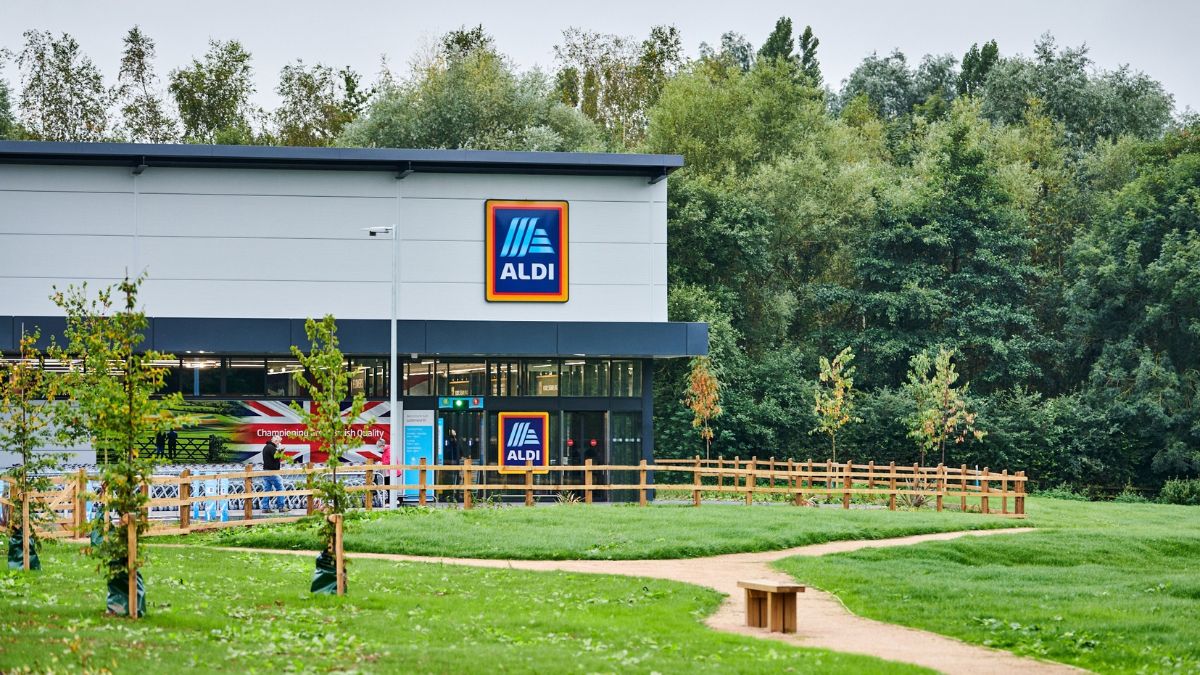
What has the Aldi boss said?
Hurley criticised promotions where he said prices can start unrealistically high before being reduced for loyalty scheme members.
He told the BBC that promotions can be helpful when reductions are genuine, but said some discounts can “dupe customers”.
Aldi is the only major supermarket chain that does not operate a loyalty scheme.
Instead, the supermarket says it focuses on everyday prices rather than discounts that are only available to members.
The comments came as Aldi announced its latest annual results, with sales rising 5% to a record £19 billion for the year ending 31 December 2025.
The supermarket also said it has spent £340 million cutting prices on more than 1,000 products so far in 2026.
Aldi plans to invest £900 million during 2027, including opening 40 new stores.
Are supermarket loyalty prices genuine?
The Competition and Markets Authority carried out a major review of supermarket loyalty pricing after concerns that normal prices could be increased to make loyalty discounts look better.
It analysed around 50,000 products that were on loyalty price promotions.
The watchdog found that 92% of the products it checked offered a genuine saving against the usual price at that supermarket.
It also found very little evidence of supermarkets increasing their normal prices simply to make loyalty promotions appear more attractive.
Across Tesco, Sainsbury’s, Waitrose, Co-op and Morrisons, the CMA found average savings of between 17% and 25% on products with loyalty prices.
However, there is an important bit of context.
The CMA looked at loyalty promotions running in August and November 2023, with its findings published in November 2024.
That means the investigation gives useful evidence about how loyalty pricing has worked, but it does not tell us whether every loyalty deal available in supermarkets now is good value.
A loyalty price isn’t always the cheapest price
This is probably the most useful part of the CMA findings for shoppers.
The watchdog found that loyalty prices were generally among the cheapest prices available.
But not always.
Another supermarket could still sell the same product for less.
So getting a genuine discount and getting the cheapest price are two different things.
For example, a product reduced from £4 to £3 for loyalty members could genuinely save you £1 at that supermarket.
But if another shop sells the same product for £2.50, the £3 loyalty price still isn’t the cheapest deal.
The size of the advertised saving doesn’t necessarily tell you whether you’re getting the best value.
We saw something similar with Sainsbury’s recent 25% off Taste the Difference Nectar promotion. A large percentage discount on a premium product can still leave it costing more than a cheaper own-brand alternative.
How to tell if a supermarket loyalty deal is worth it
You don’t need to compare the price of every item you buy.
Start with more expensive products and branded items you buy regularly, as that is where price differences can have a bigger effect on your food bill.
Check the price per 100g, kilogram or litre rather than relying on the headline price. This makes it easier to compare different pack sizes properly.
Also compare the loyalty price with supermarket own-brand products.
A branded item with £2 knocked off could still cost more than an own-brand alternative that does the same job.
And don’t buy something simply because the saving looks large.
If something wasn’t on your shopping list in the first place, spending £3 instead of £5 hasn’t put £2 back in your pocket. You’ve still spent £3.
Planning what you need before going to the supermarket can help too. We have more tips in our guide on how to save money on groceries.
You could also look at whether doing one planned weekly shop rather than lots of smaller trips helps you avoid picking up extra offers and unplanned purchases.
What shoppers should take from this
Aldi’s boss has questioned whether some supermarket loyalty discounts give shoppers the value they appear to.
The CMA’s previous investigation found that the vast majority of loyalty prices it examined were genuine discounts against the supermarket’s normal price.
But it also found that a loyalty deal was not always the cheapest price available elsewhere.
For shoppers, the simplest rule is to look at how much you are actually paying for the product rather than how much the supermarket says you are saving.
Add Skint Dad as one of your preferred sources.

- Aldi boss says some loyalty prices ‘dupe’ shoppers – what the CMA found - 28 September 2026
- What does a healthy eye-care routine look like? - 28 September 2026
- Your First Home scheme: first-time buyers could need just a 2.5% deposit - 28 September 2026
Saved a few quid with our tips?
If Skint Dad has helped you spend less or feel more in control of your money,
you can support the site with a small contribution.
