Energy bills have already been hard to swallow, so news of another rise won’t feel welcome.
Ofgem has now approved a huge £28 billion upgrade to the UK’s energy grid, covering both gas and electricity networks.
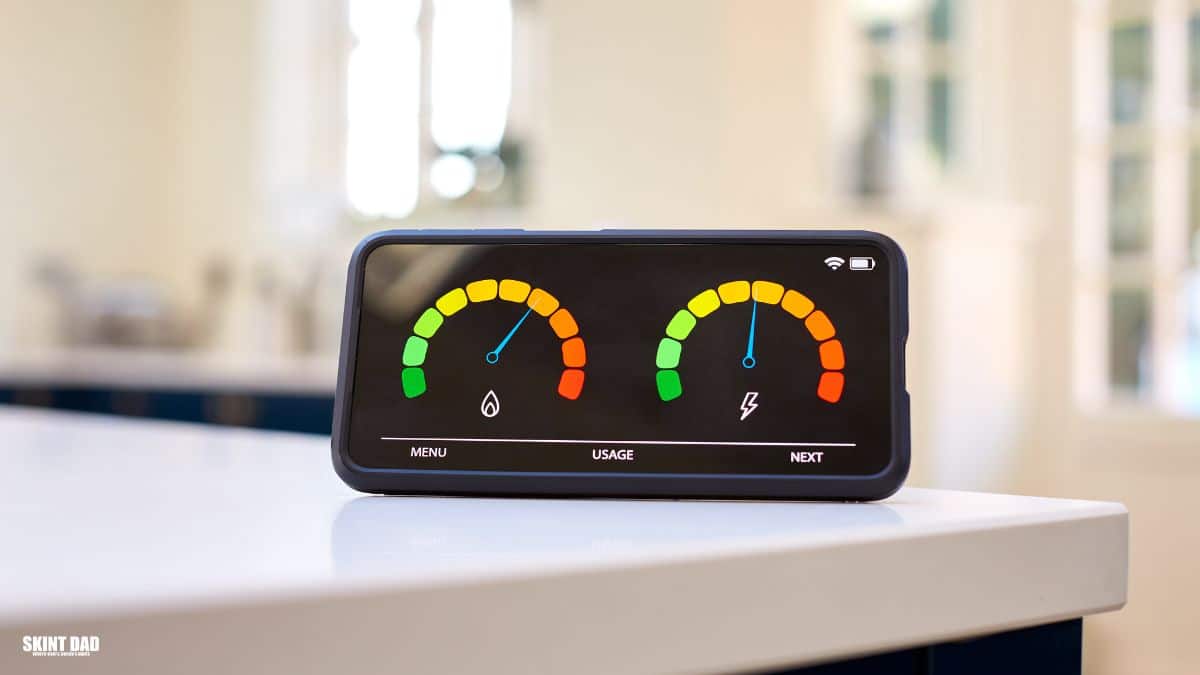
It’s one of the biggest investments the country has carried out in decades.
Get a free £10 bonus with Swagbucks
Earn a bit of extra money in your spare time with surveys, videos, and simple tasks you can do at home.
New users can get a £10 bonus when they sign up.
Get the £10 bonus
The work is meant to make the system more reliable and cut waste, but it does mean household bills will rise slowly over the next few years.
Here’s a simple breakdown of what’s happening, why it’s needed and how it affects you.
What Ofgem has actually approved
The investment covers two main areas:
• Britain’s gas network: around £17.8 billion to replace old pipes, improve safety and keep the system stable as it ages.
• The electricity grid: around £10.3 billion to strengthen the system with new power lines, substations and the tech needed to handle rising demand.
Together, this work prepares the grid for everything from electric cars to renewable energy, and supports the country’s long-term shift away from expensive imported gas.
This £28 billion is only the start. By 2031, network investment is expected to reach around £90 billion.
Why your bill will go up
Network costs are built into everyone’s energy bill, no matter which supplier you’re with. As the upgrades roll out, those charges will rise.
By 2031, the average household is expected to pay £108 extra:
- £48 for gas
- £60 for electricity
The rises won’t hit at once. Ofgem says charges will start creeping up from April 2026 and continue steadily for five years.
Once future savings are included, the net rise should be nearer £30 overall.
Still, £30 is £30, and when budgets are already stretched tight, small increases can feel bigger than they look on paper.
Why Ofgem says this will save money later
There are two big reasons:
1. Less wasted electricity
Right now, wind farms sometimes get paid to switch off because the grid can’t handle all the power being produced. This waste pushes up bills. Fixing the bottlenecks could save about £50 a year on the average bill by 2031.
2. Less dependence on gas
The 2022 price shock showed what happens when the UK relies too heavily on imported gas. A stronger electricity network reduces that risk, making future bills more stable.
If you’re looking for small things that help right now, here’s a list of free energy gadgets that can cut your bills.
Will it help businesses too?
Yes. Companies that use a lot of energy, like factories and steelworks, could see bills about 10–15% lower than they would have been without these upgrades.
A better grid also makes it easier for new businesses and projects to connect, which can bring jobs to local areas.
What this means for families in real life
Nothing changes today, next week or next month. But from 2026, households will feel a slow, steady rise.
The frustration is understandable. Families have already dealt with soaring prices, and another increase – even a small one – doesn’t feel fair when you’re already cutting back.
You may even be owed money from your supplier without realising. Our guide on how to check if you’re owed money on your energy bill walks you through it.
There’s also help in our guide on how to reclaim unclaimed energy credit, which is money that sits on your account and can be withdrawn.
This is why simple, realistic planning matters. You don’t have to overhaul everything, but knowing the rises are coming gives you time to adjust your budget rather than being caught off guard.

Skint Dad says:
People can handle tough news if it’s honest. What hurts most is being blindsided. These changes are coming, but knowing early means you can plan instead of panic.
Is someone checking the companies aren’t overspending?
Ofgem says it has pushed back hard on unnecessary costs. Its review cut around £4.5 billion from the original network proposals by rejecting things that didn’t offer value for households.
The regulator has also added protections so companies only get funding when they actually need it, and unused money can be clawed back.
Groups like Citizens Advice and Greenpeace agree the grid needs upgrading, but say the money must be tightly monitored so households don’t pay more than necessary.
And if you’re dealing with arrears, you can read about Ofgem’s proposed energy debt write-off plan, which could help households struggling the most.
Final thought
This upgrade is huge, and it’s been needed for a long time. A stronger grid should mean fewer outages, less waste and more stable bills in years to come.
But that doesn’t make the near-term rises any easier for families already stretched thin.
If anything, it shows why every penny matters and why clear, honest information helps people stay ahead of changes rather than feeling lost in them.
We’ll keep breaking down updates like this so you always know what’s changing, what it means and where you stand.
If you want simple ways to trim costs while these changes roll out, our guide on how to save money on energy bills is a good place to start.
You can also try our heat the human, not the home approach, which keeps you warm while saving on heating bills.
Saved a few quid with our tips?
If Skint Dad has helped you spend less or feel more in control of your money, you can support the site with a small contribution.

- Side hustles and benefits in the UK: what you need to know - 8 January 2026
- Lloyds Bank switch deal: grab £250 plus Disney Plus for free - 6 January 2026
- Thinking of doing the Co-op freezer deal? Read this first - 6 January 2026
