Shops across the UK get mountains of returns and leftover stock every single day.
They can’t test, clean or repackage it all, so a lot of it gets bundled onto pallets and sold off for a fraction of its value.
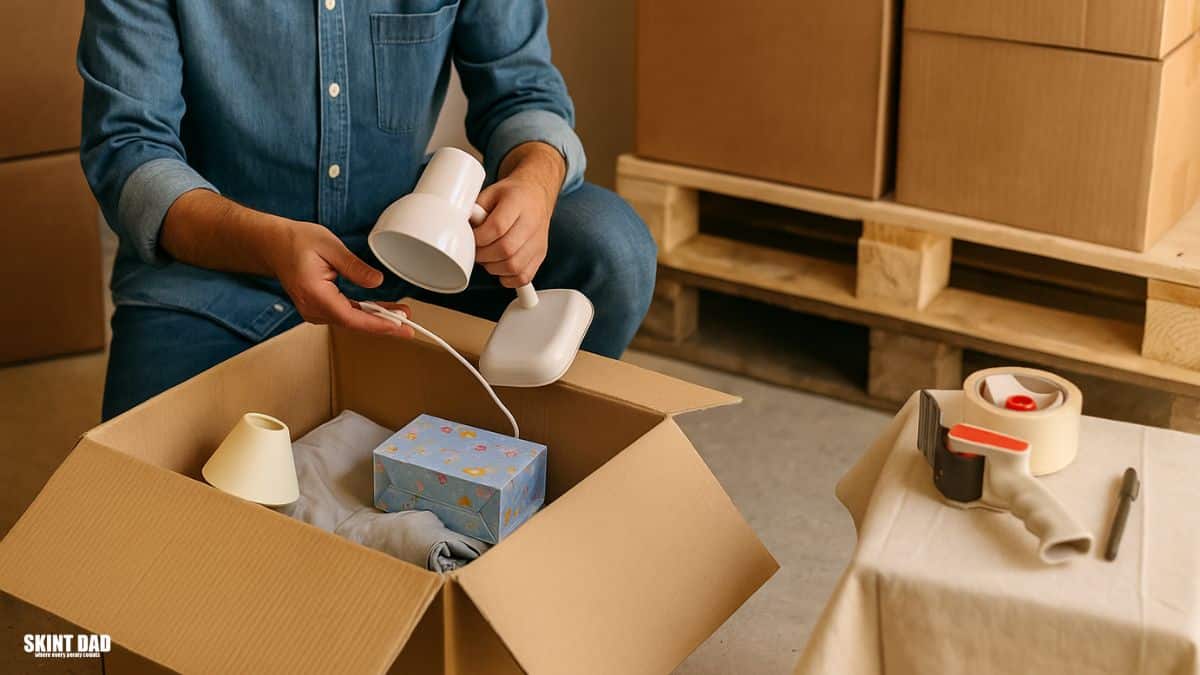
If you’re the sort of person who enjoys sorting, fixing and making a little money on the side, these pallets can be a surprisingly rewarding side hustle.
Get a free £10 bonus with Swagbucks
Earn a bit of extra money in your spare time with surveys, videos, and simple tasks you can do at home.
New users can get a £10 bonus when they sign up.
Get the £10 bonus
It’s not glamorous. You will get dusty. You’ll probably find something strange at the bottom of the stack. But once you learn what you’re looking for, there’s real profit in it.
QUICK GUIDE
Return pallets are bundles of returns and leftover shop stock sold cheaply by wholesalers. You make money by picking out the good items, testing them, cleaning them and selling them on places like eBay or Facebook Marketplace.
Start with suppliers that give you a clear item list, begin with a small budget and treat your first pallet as a practice run rather than a gamble.
What return pallets actually are
Return pallets are big bundles of stock a shop no longer wants. Sometimes it’s because a customer sent something back. Sometimes a retailer over-ordered.
Other times the company has ended a product line, moved warehouse or changed suppliers.
Inside one pallet, you might get a shiny new coffee machine next to a toy bundle, some kitchen bits, a duvet set, a blender with a dented box and something you can’t identify until you Google it.
It’s messy, but that’s exactly why the price is low. Retailers want the space back, and you get the chance to turn their leftovers into extra cash.
Where to buy return pallets in the UK
If you’ve only ever seen American pallet flipping videos, don’t worry, the UK has a solid liquidation scene of its own.
Some suppliers focus on catalogue returns, others deal with Amazon loads, and some specialise in fashion, homeware or general mixed stock.
Here are the most reliable UK places to look:
Marthill International in Nottingham is one of the biggest names for catalogue returns. They supply mixed pallets of toys, furniture, electricals and clothing.
Gem Wholesale has been around for years and works with major catalogue brands. They stock graded returns, surplus and clearance pallets with straightforward descriptions.
Wholesale Clearance UK sell everything from gadget bundles to beauty sets and job lots from big retailers. Their stock changes quickly and often suits eBay sellers.
Jobalots specialise in household returns, electricals, toys, beauty, garden items and “mystery” pallets. They’re popular with beginners because their listings are clear.
Discount House is well known for electrical returns, home appliances and household pallets. They offer both tested and untested items.
Topdown Trading mostly deal in branded clothing, footwear and fashion returns, though they sell other clearance stock too.
Daniel Thomas Group handle large amounts of clearance and liquidation stock across homeware, beauty, cleaning products, kids’ items and garden goods.
Pallet Clearance and Joblots.co.uk sell mixed return pallets and mystery bundles aimed at small resellers. Their stock tends to move quickly.
Stockport Pallet Warehouse offer Amazon-style mixed return pallets, often heavy on household and electrical items.
Stock Seller UK sell liquidation, clearance and bankrupt stock with nationwide delivery.
BritDeals are frequently recommended in UK reseller forums and offer job lots, small pallets and mixed reseller boxes.
Merkandi is an international wholesale platform with a UK section listing return pallets and surplus stock from various sellers. Think of it as a marketplace rather than a single wholesaler.
Wholesale Scout list many UK pallet suppliers and liquidation sellers. It’s a directory, but a useful way to discover new sources.
Pink Liquidation sells pallets and publishes helpful guides for beginners, often focused on Amazon-style return boxes.
B-Stock is where Amazon Europe’s official liquidation auctions take place. You bid on pallets or lorry loads of Amazon returns by category. Shipping adds to the cost but the stock is genuine.
i-bidder and William George run regular auctions for retail surplus, ex-catalogue stock and ex-John Lewis pallets. Quality varies, but bargains appear often.
You’ll also spot return pallets popping up on eBay, Gumtree, Facebook Marketplace and in local auction houses.
These can be great if you can view the pallet in person, but mixed quality means you need to be a little careful.
One quick warning: the “liquidation mystery boxes” you sometimes see sold directly on Amazon usually aren’t Amazon liquidation stock.
Reviews for these are almost always awful, so avoid unless the seller is reputable.
How to tell if a pallet supplier is legit
A genuine supplier will show proper grading (like A, B, C or “tested/untested”), offer real photos, give a business address and publish VAT and company registration details.
If the website only shows stock photos, has no contact information or asks for bank transfer only, it’s best to walk away.
A seller doesn’t need to be perfect — some are small warehouse operations — but they should be transparent. If you can’t tell what you’re buying, don’t buy it.
What you’ll find inside a pallet
Return pallets are famous for being unpredictable.
You might find brand-new sealed items, slightly dusty appliances that only need a wipe, damaged boxes, or the occasional item missing a cable. That’s part of the deal.
Toys, clothing, homeware and small kitchen appliances tend to show up a lot. Electronics appear too, but these are more likely to need testing or the odd repair.
If you’re new, stick with categories you understand. It’s easier to judge whether you’re getting a good deal if you already know what things usually sell for.
Are return pallets worth it?
They can absolutely be worth it, as long as you go in with the right mindset.
You’re not buying a treasure chest. You’re buying a pile of mixed stock.
Some will sell quickly, some will sit for a bit, and some will go straight into your “get rid of this at a car boot sale” box.
If you’re patient and don’t mind a bit of graft, you can make your money back and more.

Skint Dad says:
It’s a brilliant little side hustle if you enjoy a good rummage and love turning a bargain into something useful.
How much does a pallet cost
Prices vary wildly. Amazon pallets on B-Stock might start at a few hundred pounds.
A general mixed pallet from a UK wholesaler could be anywhere from £150 to £400. Clothing is usually cheaper; electricals cost more.
Don’t forget shipping. Some pallets cost more to deliver than you’d expect. If you can collect from a warehouse, you’ll often save a fair chunk of money.
How people make money from their pallets
Most resellers make their profit by being organised.
When the pallet arrives, they test anything electrical, clean the items that need it, and take decent photos.
Good descriptions matter, too. People don’t mind a scuff or dent as long as you’re honest.
High-value items usually do best on eBay. Bulky things move quickest on Facebook Marketplace. Kids’ items and toys do well locally, especially near school holidays.
If you’ve got quirky or vintage bits, Vinted and Depop are worth a look. Anything that’s hard to post goes straight into a car boot sale pile.
The trick is not expecting every single item to pay off. You just want the overall pallet to leave you in profit.
If you enjoy flipping things in general, our list of the best things to buy and sell for profit will give you even more ideas.
Mistakes beginners make
The biggest mistake is buying blind pallets because they look cheap. Another is trusting the “RRP value” shown on the listing. RRP is rarely what you’ll get in the real world.
People also underestimate how much space a pallet takes up until it’s sitting in the living room.
Start with a clear pallet from a reputable seller. Once you understand your own strengths, then you can take the occasional gamble.
Who this side hustle suits best
If you like sorting, organising, cleaning and a bit of DIY, you’ll enjoy flipping pallets.
It’s perfect for side hustlers who want to build something small without a big upfront spend. If you hate clutter, surprises, or fixing things, you’ll find it frustrating.
If you expect to flip pallets regularly, it’s also worth learning when a side hustle becomes taxable. Here’s our simple breakdown: do you need to pay tax on a side hustle?
Final thoughts
Return pallets aren’t a shortcut to riches, but they are a solid way to build extra income with a low starting budget. Start small, choose your sellers wisely, sort your stock properly and list things in the right places.
Do that, and you’re in a strong position to turn unwanted retail leftovers into a steady little earner.
Saved a few quid with our tips?
If Skint Dad has helped you spend less or feel more in control of your money, you can support the site with a small contribution.


Kayleigh says
Where can I find Made.com or West Elm pallets please?
Naomi Willis says
I’m not sure about West Elm, but I’ve seen made.com return pallets on ibidder before.
Barbara Blaut says
I absolutely love ur idea at this moment I’m not working on universal Credit hardly can’t meets the ends and my cats keeps getting unwell sometimes have choices between food for my cat or me and u know the answer,my health getting worse having seezier black outs,depression anxiety,very bad asthma and the list never ends I’m checking everyday day on ur side,been working for 20years in England like slave and the last work destroy me mentally been bullying for four years because of my nationally till now still didn’t get paid my holidays now I’m slowly getting out of the darkest time of my life and THINK that’s what others humans done to me makes me feel very bad and can’t even go there so thank you for ur tips and advices ur awesome